


Snapshot of deprivation of humanitarian aid in the gaza strip
Sort by
country
Reset
- country
- KENYA (EN)
- AFGHANISTAN (EN)
- UKRAINIAN CRISIS
- Philippines (EN)
- Bulgaria
- Democratic republic of the Congo
- Madagascar (EN)
- Burkina Faso
- Yemen
- Tanzania
- South Caucasus
- Central African Republic
- Pakistan
- Myanmar
- Syria
- Palestine
- Nigeria (EN)
- Nepal
- Lebanon
- Iraq
- France
- ETHIOPIA
- Côte d’Ivoire (EN)
- Colombia
- Mexico
English
10.04.2019
2016 Observatory Report
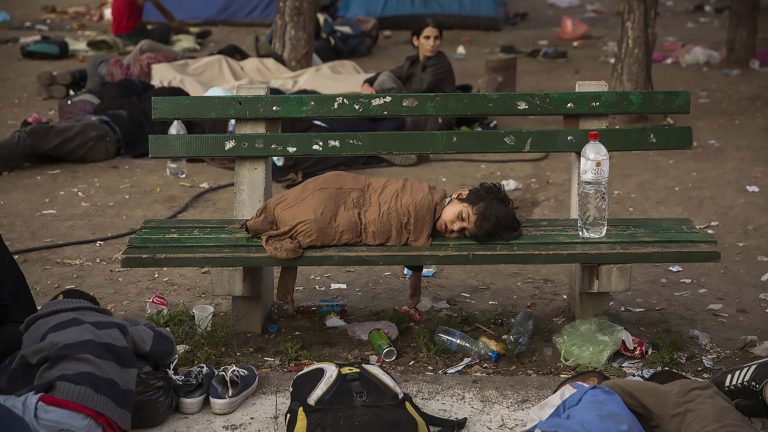
In Europe, 2015 will stay in all our memories as the year where international solidarity with migrants and refugees showed its strength and weaknesses. This strength was seen in the thousands of individuals of all nationalities responding to people’s needs and hopes, organising themselves to help; it was also seen in all the NGOs who concentrated their volunteers and staff to provide help all along the migratory route. Weaknesses were seen in the coordination between individuals and NGOs, between NGOs, between state initiatives, NGOs and individuals. Nevertheless, the solidarity of all these people and organisations worked. And it worked everywhere thanks to the strength and determination of the migrants and refugees to survive and live in a protective environment.
English
07.06.2017
Destroying mental health ?
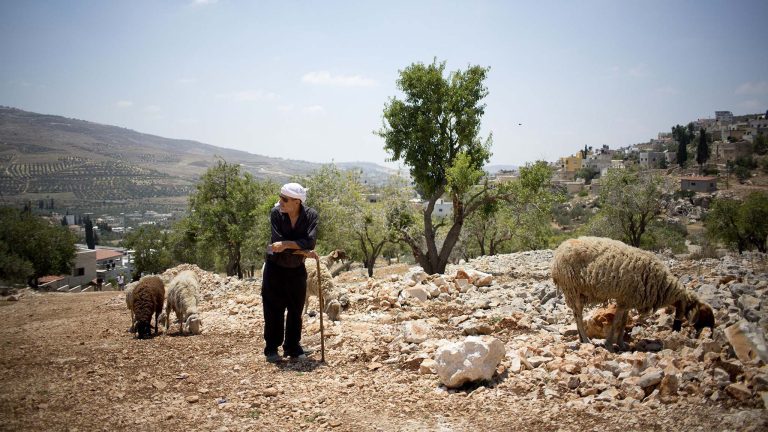
Since the beginning of January, the intensity of demolitions and displacement of Palestinians in the West Bank have reached the highest levels in seven years. Between 1 January and 15 March 2016, 378 Palestinian homes and structures were demolished by the Israeli Civil Administration (ICA), displacing 750 Palestinians, including 260 children, as much as half of the Palestinians displaced during the whole year of 2015 . Most of the demolitions happened on the ground that Palestinians had no building permits. Yet, only 1.5% of the Palestinian permits applications are approved, which leaves them with no choice other than building illegally.
English
16.11.2017
Mental health and psychosocial impacts of occupation-related violence in Palestine
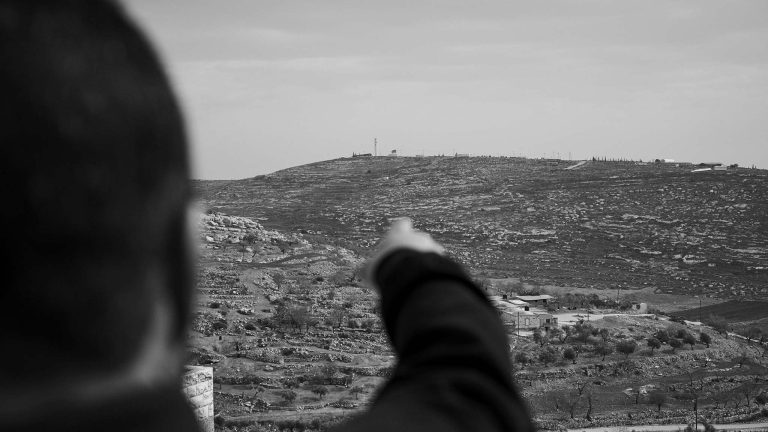
Médecins du Monde France (MdM) has been working in Palestine since 1996 and has been always considered since Mental Health and Psychosocial Support (MHPSS) as one of its core activities. Yet most of these problems are nurtured by harmful occupation policies which clearly affect the foundations of the Palestinian society and prevail its fulfilment.
English
06.07.2022
Sexual and reproductive health of adolescents and young people in Madagascar
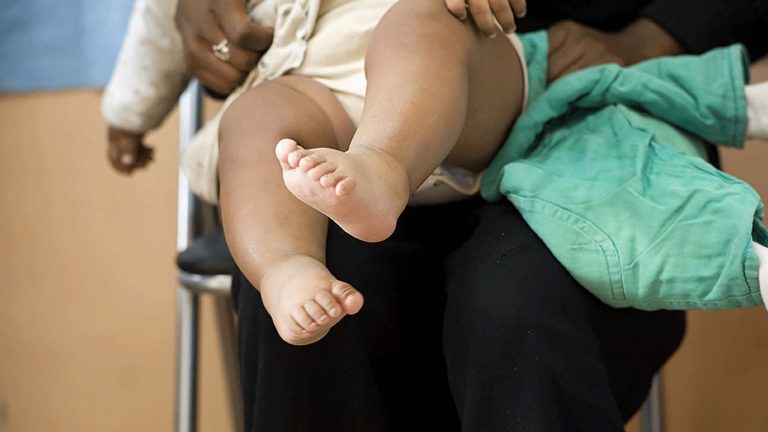
According to the World Health Organization, every day 800 women worldwide die from complications related to pregnancy or childbirth, with 13% of these deaths resulting from abortion procedures. To help reduce the morbidity and mortality associated with unwanted pregnancies and abortions in women aged 10 to 24 years, Médecins du Monde (MdM) and its national partners are running an SRH programme for young people in Antananarivo, Madagascar.
English
05.07.2021
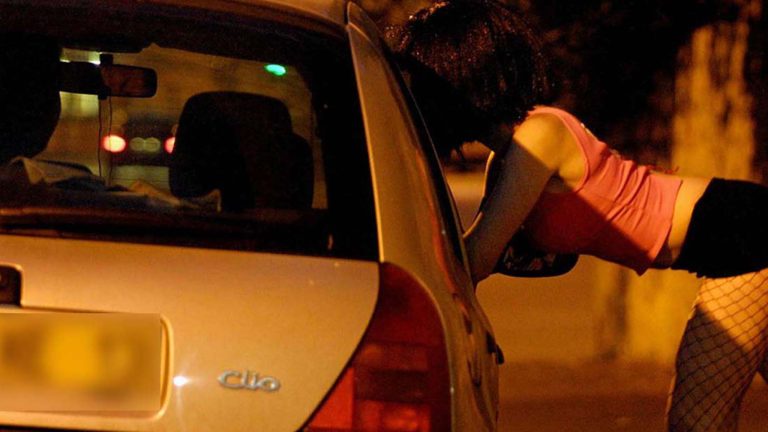
Study on the impact of the law from 13 april 2016 against the "Prostitution System" in France
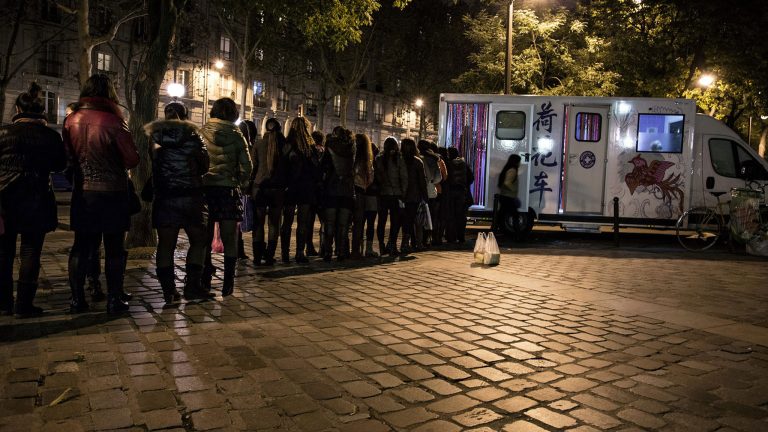
The main objective of this study is to assess the impact on sex workers’ living and working conditions of the act of law n° 2016-444 (adopted by France’s parliament on the 13th of April 2016 with the aim of reinforcing the fight against the prostitution system and supporting prostitutes). This is a qualitative study focused on the viewpoints of sex workers themselves who are directly affected by the law.
English
22.06.2020
HIV and other sexually transmitted infections among female sex workers in Moscow
It is estimated by the Russian Ministry of Health that 0.8 million people are living with HIV and that 85,800 new infections occurred in 2017. In the general population (15-49 years) prevalence is estimated to be 1.2% (0.9% among women and 1.4% among men). In 2017, the main HIV transmission routes were heterosexual sex (53.5%) and drug injection (43.6%).
English
22.05.2019
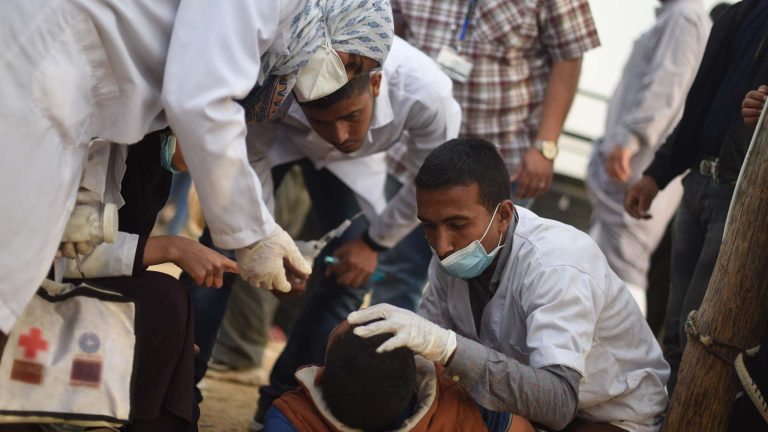
Violence against healthcare in Gaza
Médecins du Monde France (MdM) has been working in Palestine since 1996, and more particularly in Gaza for over 16 years. A part from its medical work, MDM advocates for access to healthcare services and health-related human rights.
English
04.06.2019
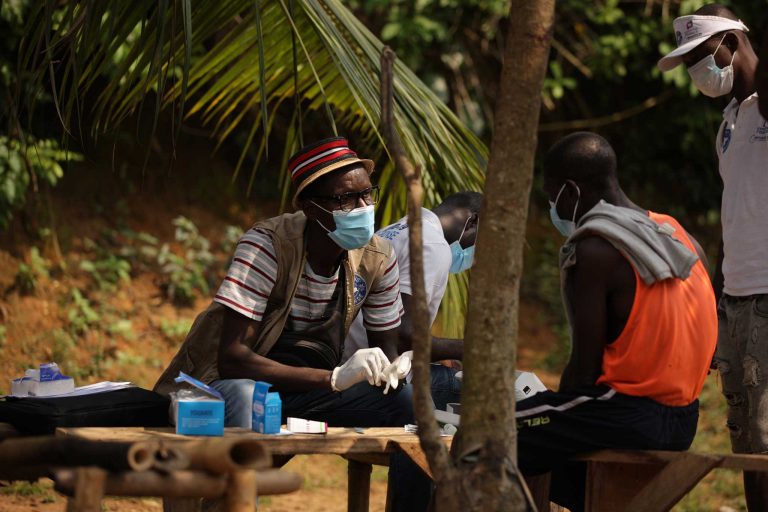
Tuberculosis among people who use drugs in Abidjan, Côte d’Ivoire
In the mid-2000s, West Africa became a major transit hub for heroin and cocaine trafficking, facilitating the emergence of local markets and resulting in an increase in drug users (DUs).
English
13.08.2019
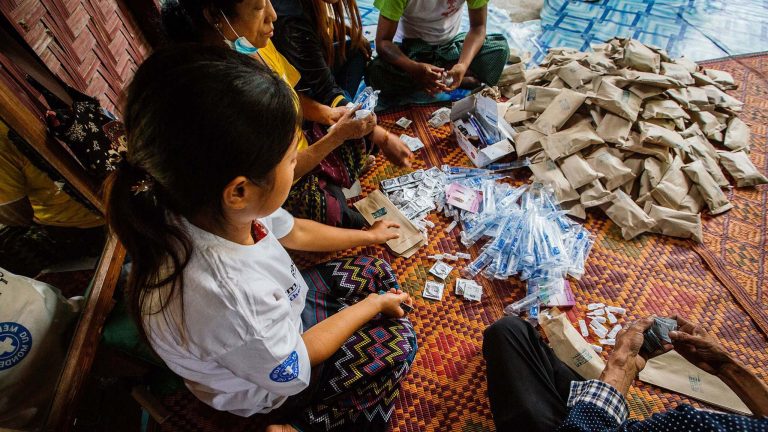
Perception about drug use and harm reduction in Kachin
The risks of social exclusion and potential negative health impacts on drug users are relatively well documented. However, questions about how their close relatives perceive the effects of drug use on them, and the solutions that need to be found, are rarely documented.
English
22.08.2019
Falling through the cracks
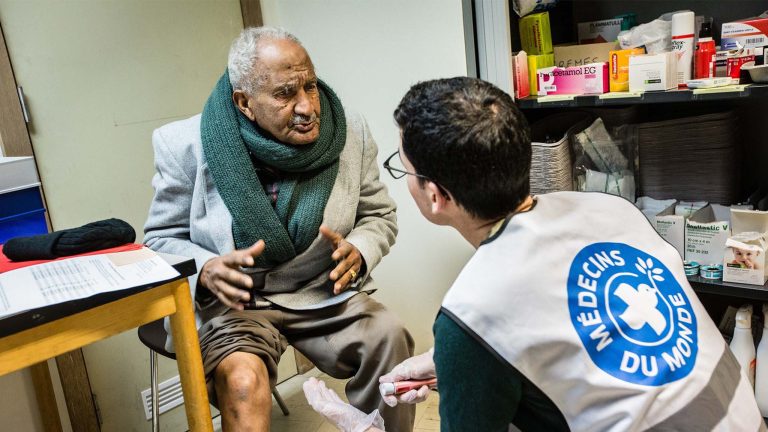
The annual Observatory Report is produced by the European Network to Reduce Vulnerabilities in Health, which brings together MdM programmes, partner NGOs and academics who seek to reduce EU-wide health inequalities. It is an observational study of people who are excluded from mainstream healthcare services.
English
12.12.2019
The Labyrinths to Health in Gaza
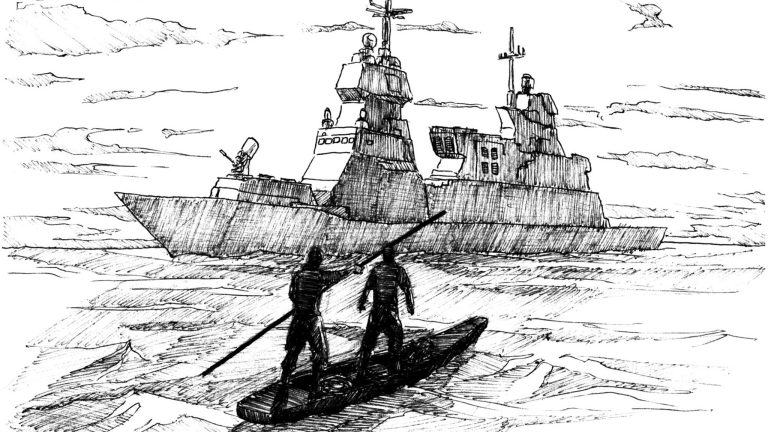
The Médecins du Monde chapters (MdM) in Palestine published today their latest report “The Labyrinths to Health in Gaza.” The report is the result of the growing concern on the number of Palestinians in Gaza having to go through a maze of obstacles to access tertiary health services outside of the Gaza Strip.