


Report : Care and resistance
2026-10-20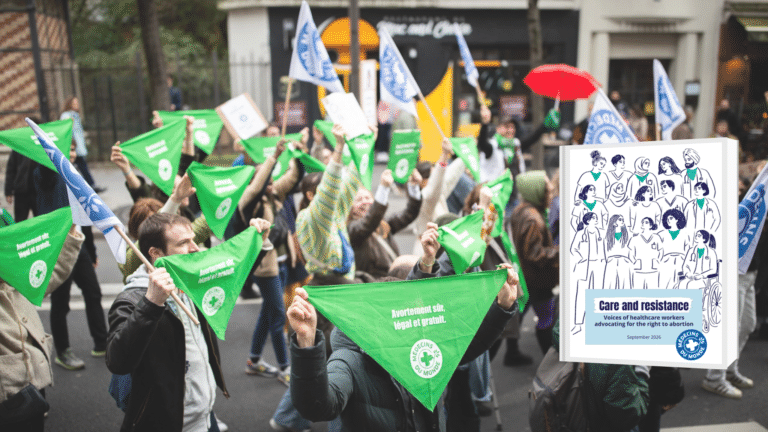
Testimonies from those who support people seeking abortions
On International Safe Abortion Day, Médecins du Monde gives a voice to those who support people seeking abortions every day.
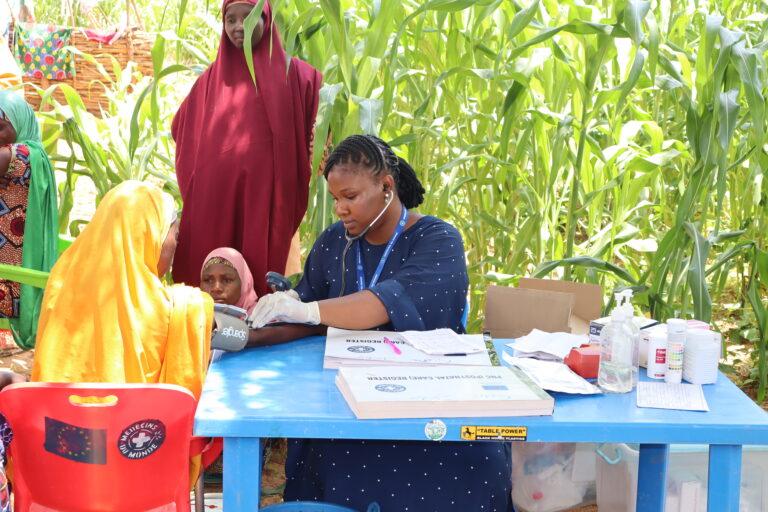
Through 47 testimonies collected across 15 countries, in contexts as diverse as Myanmar, France, Benin and Mexico, the report Care and resistance brings together the voices of gynaecologists, midwives, doctors, social workers and other professionals committed to ensuring access to abortion.
These accounts reflect the diversity of experiences faced by people seeking abortions and reveal what providing support means when access to abortion remains restricted, stigmatised or criminalised. They highlight the obstacles and violence encountered, but also the strength of commitment, solidarity and the capacity of individuals to act.
« Our role is to provide person-centred care, give clear information, offer support without judgment, respect the individual’s autonomy and identify their specific support needs.»
Listening, informing and supporting: making a free and informed decision possible
Supporting someone seeking an abortion means enabling them to make a free and informed decision, without judgment and without healthcare professionals deciding on their behalf.
« Ultimately, healthcare is not only about treating the body properly. It is about restoring dignity, safety and trust.»
However, the testimonies also reveal what happens when laws or healthcare practices prevent people from accessing the care they need.
« I’ve often thought that if I had just referred her to the right services she might still be alive today. This experience profoundly changed my perception of abortion and the responsibility of healthcare professionals. It was a turning point for me.»
« Restrictive laws do not stop the need for abortions. They only eliminate safe options and punish the most vulnerable women.»
When healthcare becomes an act of resistance
In many contexts, providing support can become a form of resistance. This resistance is not only about challenging restrictive laws, stigma or discrimination, but also about creating spaces where individuals can exercise their autonomy and make decisions about their own bodies and health.
« For me too it’s a form of resistance. It’s resisting the stigmatisation that still forces lots of people to go through an abortion in fear or silence. It’s resisting the idea that someone else can decide what we do with our bodies.»
Four key lessons for action
The testimonies highlight four major priorities, complementing Médecins du Monde’s broader recommendations to guarantee the right to abortion and effective access to abortion services:
- Protect those who make access to abortion possible, especially abortion providers, so that they can carry out their work without facing threats, violence, discrimination or prosecution.
- Guarantee reliable information and promote a positive narrative around abortion.
- Support feminist and community movements that play an essential role in informing, guiding and supporting people seeking abortions.
- Recognise and support self-management for medical abortion, enabling individuals to have greater control over their abortion care.
Get involved, speak up, stand together – let’s take action!
In light of the efforts of anti-rights movements to erode sexual and reproductive rights and induce shame around abortion, silence and inaction are no longer an option. Healthcare professionals and support workers have an essential role to play in defending access to safe and dignified abortion care.
Healthcare is an act of resistance. It is our place to take action so that no-one is forced to risk their health, their dignity or their life to make decisions about their body and their future.