
Central African Republic

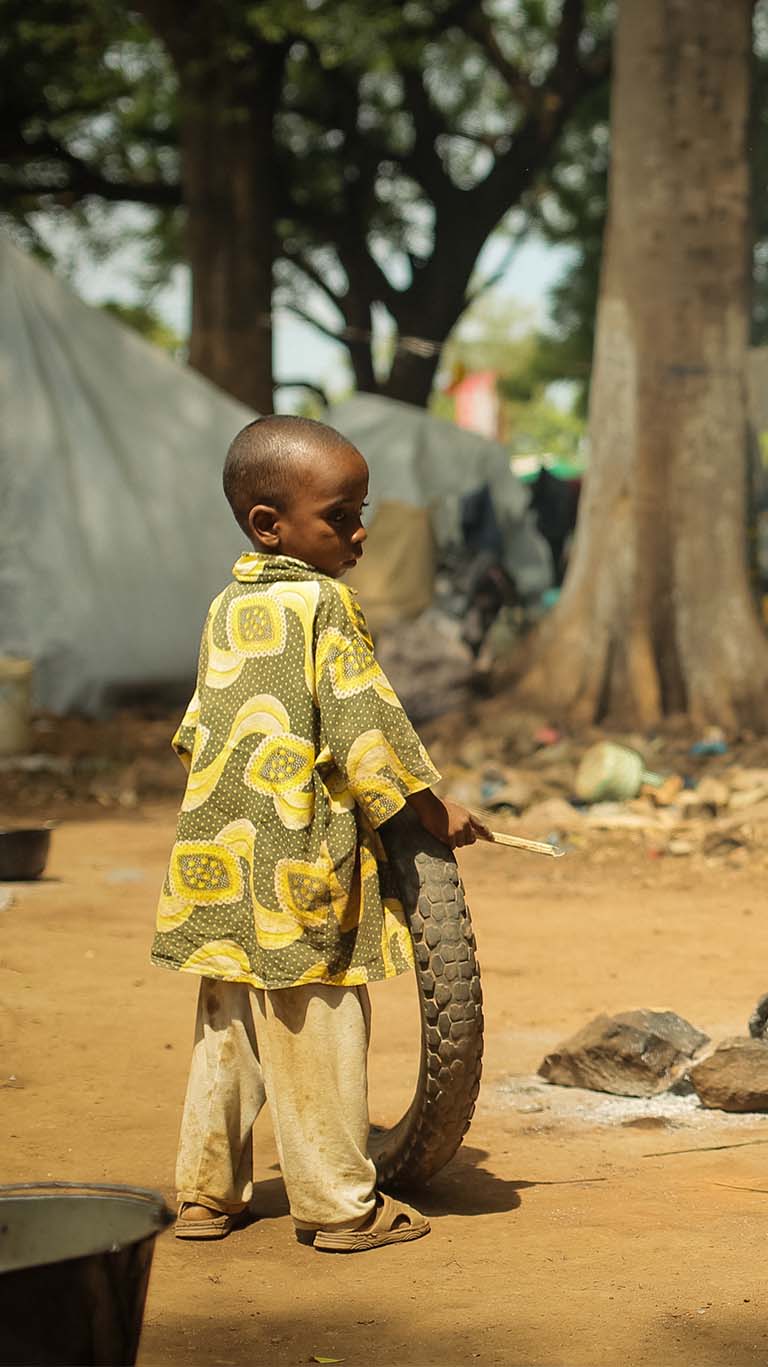
© Sébastien Duijndam

2.3 million

people in need of humanitarian assistance.

427,000  

displaced people.

130  

security incident affected humanitarian workers in 2024

Médecins du Monde’s emergency response includes a range of humanitarian assistance programmes. Find out more below about our work and missions in the Central African Republic.

  • EN BREF

    À retenir En République centrafricaine, les conflits armés, les déplacements de population, l’insécurité alimentaire et les violences basées sur le genre aggravent une crise humanitaire prolongée. Médecins du Monde renforce l’accès aux soins dans les zones isolées, soutient les structures de santé et accompagne les personnes les plus vulnérables, notamment en santé sexuelle et reproductive et dans la prise en charge des victimes de violences.

EN BREF

À retenir En République centrafricaine, les conflits armés, les déplacements de population, l’insécurité alimentaire et les violences basées sur le genre aggravent une crise humanitaire prolongée. Médecins du Monde renforce l’accès aux soins dans les zones isolées, soutient les structures de santé et accompagne les personnes les plus vulnérables, notamment en santé sexuelle et reproductive et dans la prise en charge des victimes de violences.

THE HUMANITARIAN SITUATION IN CENTRAL AFRICAN REPUBLIC

Numerous armed conflicts in the Central African Republic (CAR) have resulted in a serious humanitarian crisis and a steady increase in violations of human rights and international humanitarian law. The country’s economic collapse, the emergence of new areas and forms of violent conflict, rising food insecurity and inflation are exacerbating an already extremely fragile political and economic situation in a country where almost three quarters of the population live below the poverty line.
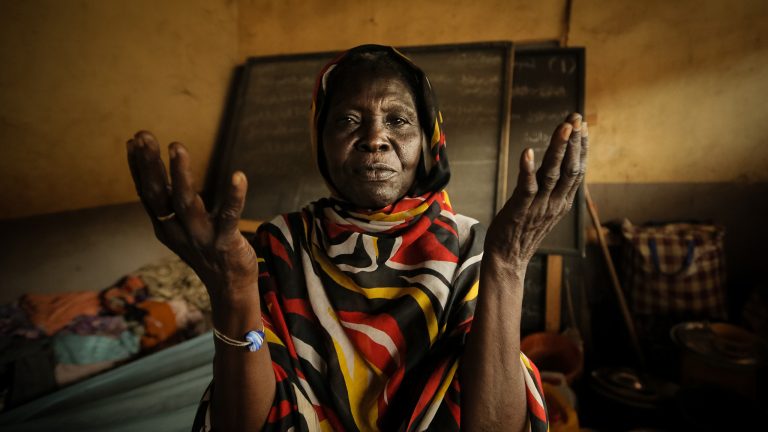
  • Civilians caught up in armed conflicts

    Clashes between armed groups severely affect the population of the Central African Republic. Security operations are conducted by the CAR armed forces and their allies (Russians and Rwandans), who are accused of arbitrary arrests and violence, causing panic and displacement among civilians. One in four Central Africans have been displaced, either within CAR or to a neighbouring country, and are now living in extremely difficult conditions with very poor access to basic services.

  • Health system in peril

    Where they haven’t been abandoned because communities and medical staff have fled, healthcare facilities are targets for attacks by different parties to the conflict.

    With just 49% of healthcare facilities in the country still functional and 43% of the population in need of healthcare assistance, it is impossible to respond to the needs arising from increasing numbers of people being injured, people with mental health problems, survivors of sexual violence, the incidence of communicable diseases and the risk of epidemics. Most outlying health facilities lack trained staff and the supply system for medicines and equipment is failing.

    The infant mortality rate is the fifth highest in the world, with 103 deaths per 1,000 children under the age of five. Maternal mortality also ranks fifth globally, with 835 deaths per 100,000 live births. Only 40% of births are attended by qualified health workers.

  • Alarming nutritional situation

    2.2 million people, or 33% of the population of the Central African Republic, are experiencing acute food insecurity, including 492,000 who are classed as being in an emergency situation.

    The volatile security context leads to markets being closed and people being unable to go into the fields to work and this is coupled with galloping inflation. These crises have a severe impact on people’s resources and livelihoods, especially in rural areas and in the most affected locations.

  • Growing frequency of climate events

    The Central African Republic is at the sharp end of climate change and experiences recurrent natural disasters which lead to population displacements. Wildfires, flooding and ever longer droughts are severely disrupting people’s livelihoods and making them vulnerable to the diseases and epidemics that regularly rage across the country. The poor condition of basic services makes it impossible to provide a rapid response. Flooding between July and August 2025 affected 3,474 people in Sido and 5,390 in Kabo, displacing 1,200 people in the village of Ngonikira.

  • Rising gender-based violence

    Between April and June 2025, cases of gender-based violence increased by 67%, against a background of significant reductions in funding for humanitarian programmes. Sexual violence accounted for 23% of reported incidents. Other forms of violence included physical assaults, psychological violence, denial of resources and forced marriage.

    Violence has reached epidemic proportions in the country and affects everyone. Although women, girls and children with disabilities are particularly at risk, sexual violence against boys and men also exists and is a doubly taboo topic.

OUR HUMANITARIAN WORK IN CENTRAL AFRICAN REPUBLIC

In response to the emergencies in the health, social and political spheres, MdM teams have been working in the country since 2013 to provide medical assistance to the most vulnerable communities.

  • Vital care for vulnerable communities outside the capital

    In 2025, Médecins du Monde supported around ten healthcare facilities in Bouca, Batangafo and Nangha-Boguila health districts, with a particular focus on nutrition and gender-based violence. In partnership with the authorities, we are building staff capacity and helping with providing supplies to these facilities. We have also worked to reduce excess morbidity and mortality among populations affected by crises and displacement, in partnership with Solidarités International.

    In Ouham Fafa Prefecture, Médecins du Monde deploys mobile clinics to reach people in remote areas. Consultations provide care for children suffering from malaria, acute respiratory infections and diarrhoea, as well as pregnant and breastfeeding women and survivors of violence. We also provide essential medicines and ensure emergency cases are transferred to referral facilities. Malnutrition screening and treatment are available, along with catch-up vaccinations for children.

    To increase community involvement in health, nutrition and protection, particularly gender-related issues, the Médecins du Monde teams are supporting community health workers to deliver basic care to children under the age of five in villages that are located far from healthcare facilities. They also raise awareness among communities on various health and social issues.

  • Sexual and reproductive healthcare

    We are setting up a minimum emergency response package for sexual and reproductive health and rights, comprising pre- and postnatal consultations, family planning, gynaecological consultations and referral of obstetric emergency cases. In 2025, sexual and reproductive health services were provided to 3,478 people and staff attended 718 births at health centres, including 21 caesarean sections.

  • Supporting victims of gender-based violence

    The Médecins du Monde teams establish multidisciplinary services for survivors of gender-based violence. This includes both medical and psychosocial support. We also encourage community engagement around issues of sexual and reproductive health and mental health.

    We seek to strengthen synergies between different stakeholders to ensure effective and sustainable interventions. For example, we provide emergency medical assistance and psychological first aid and, for survivors who want it, referral to partner services, including the Association des femmes juristes de Centrafrique, providing legal and psychosocial support.

    In total, 451 people received support in 2025, including 241 survivors of rape.

  • Emergency response in the areas most affected by conflict

    Since 2019, Médecins du Monde has been providing emergency mobile responses in the event of incidents such as population displacements and epidemics. The mobile clinics combine support for the local healthcare system with rapid response capabilities.

  • 278,113

    beneficiaries in 2025.

278,113

beneficiaries in 2025.

They support our actions