
South Caucasus

© Olivier Papegnies

115,000  

arrivals in Armenia following the conflict in Nagorno Karabakh

39 %

of people who inject drugs in Armenia are exposed to hepatitis C

70 %

of people who inject drugs in Georgia are exposed to hepatitis C
THE HUMANITARIAN EMERGENCY IN SOUTH CAUCASUS

After the collapse of the Soviet Union in 1991, Georgia and Azerbaijan regained their independence. Together with Azerbaijan they form the South Caucasus region.

HARM REDUCTION AT MÉDECINS DU MONDE 

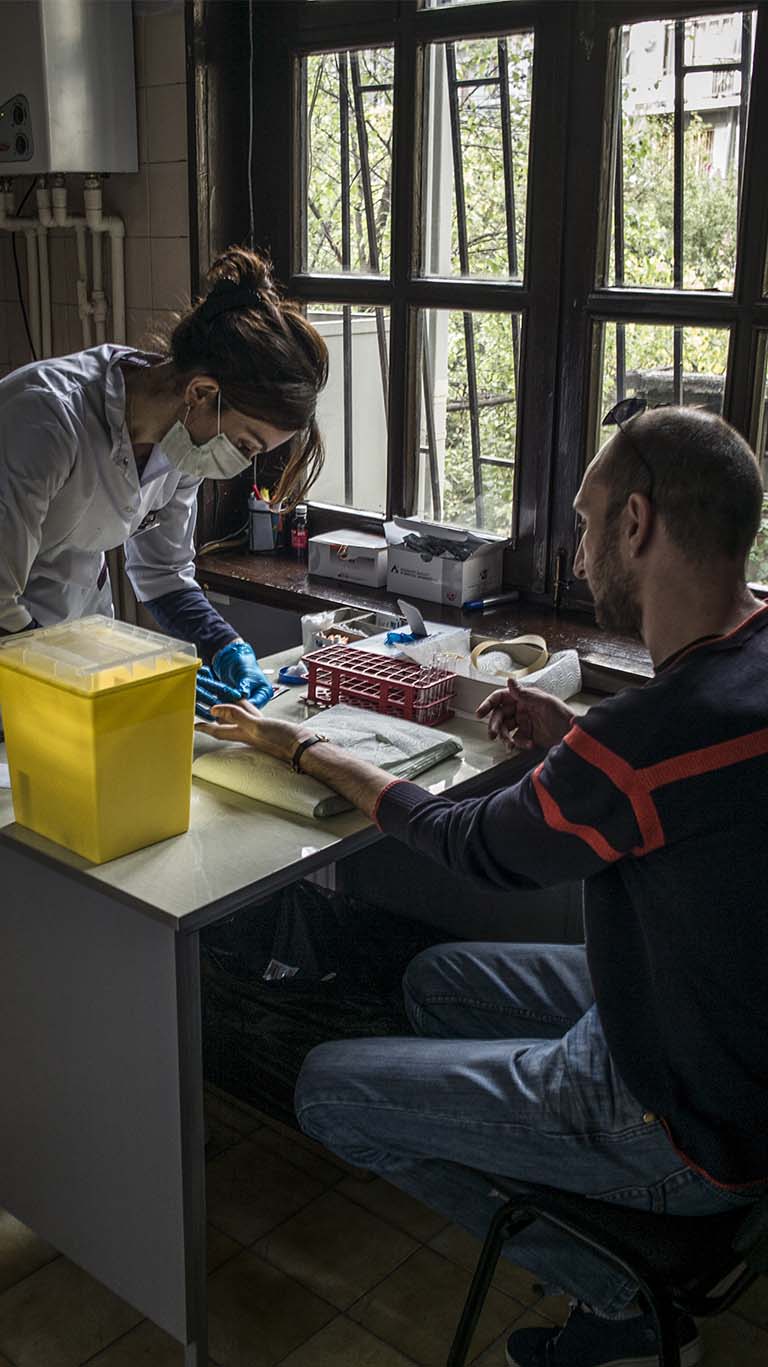
  • People who use drugs at high risk of hepatitis C

    The prevalence rate for hepatitis C in the general population in the South Caucasus region is one of the highest in Eastern Europe and Central Asia.

    People who inject drugs are particularly at risk, with 39% of this group in Armenia and 70% in Georgia having been exposed to hepatitis C.

    While treatment is available in Georgia, it remains limited in Armenia and in both countries the legislation on drug use is still very repressive, excluding these people from access to the health system. The availability and cost of products to treat people are also a substantial barrier, as is the discrimination to which they are subjected.

  • High levels of drug use among young people

    In recent years a significant rise in the use of new psychoactive substances (NPSs) and stimulants has been observed in Georgia.

    Young people between the ages of 18 and 35 are particularly affected, with high rates of overdose, psychotic reactions and sometimes deaths, as well as risks of HIV transmission due to multiple unprotected sexual contacts.

  • Nagorno Karabakh conflict

    Since the conflict between Armenia and Azerbaijan flared up again in 2020, civilian populations have been subject to numerous displacements and the humanitarian situation remains challenging.

    On 19 September 2023, after Azerbaijan’s nine-month blockade of the Nagorno Karabakh region, Baku launched a new military offensive which led to the dissolution of the Republic of Artsakh. Virtually the whole Armenian population – around 11,500 people – left the region with no prospect of returning.

OUR WORK IN THE SOUTH CAUCASUS

Médecins du Monde runs a range of harm reduction programmes in Georgia and Armenia and provides assistance to victims of the conflict in Nagorno Karabakh.
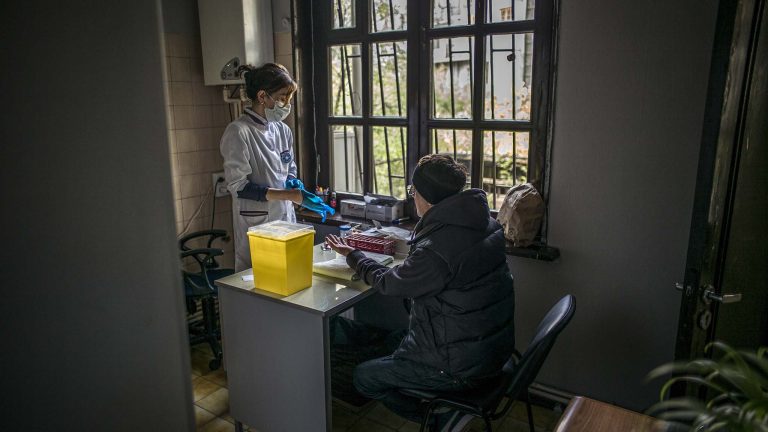
  • Simplifying access to hepatitis C treatment for people who use drugs

    Médecins du Monde is conducting research on harm reduction among injecting drug users in ten countries, including Armenia and Georgia.

    The aim is to improve access to prevention tools and to implement simplified screening and treatment protocols which can be integrated into general care and treatment.

    The results of this research will feed into national and international policies and directives on the prevention and treatment of hepatitis C.

    In 2024, 116 people in Armenia (including 2 women) and 75 in Georgia (including 8 women) took part in the survey.

  • Supporting young people who use drugs in Georgia

    In Georgia in 2024 Médecins du Monde assisted and supported a local partner working on harm reduction. Mandala is a self-help group for young people who use new psychoactive substances (NPSs).

    In 2024, we provided harm reduction services to 5,700 people and carried out drug checking on 3,679 samples.

  • Supporting displaced people in Armenia

    Since late September 2023, Médecins du Monde has been working to provide support centres for people displaced by the conflict in Nagorno Karabakh. The first centre was opened in Goris, the town which has seen the largest influx of refugees from Nagorno Karabakh. This was followed by three more centres in Yerevan, Ashtarak and Masis.

    The centres provide mental healthcare and social support. Psychologists and social workers also work outside the context of the centres. A medical team focuses on health education and therapeutic patient education and refers and supports patients as necessary to access the national health system. Overall, 5,300 people received support in 2024 and 760 hygiene kits were distributed to the most vulnerable people.

    Médecins du Monde also provides training sessions for frontline workers – our staff and local partners – to help them manage their own stress and avoid vicarious trauma.

© Olivier Papegnies

  • 11,556

    Beneficiaries in 2024.

11,556

Beneficiaries in 2024.