
Bulgaria

© Lina Krivoshieva

25 %

of the population has no entitlement to health insurance.
5.3 /1,000

infant mortality rate.

21.7 %

of the population lives below the poverty line.

Médecins du Monde’s emergency response includes a range of assistance programmes. Find out more below about our work in Bulgaria.

THE HUMANITARIAN SITUATION IN BULGARIA

Precarious living conditions and lack of access to healthcare and social services affect many people in Bulgaria. The poverty rate is high, with a significant proportion of the population on low incomes and struggling to access good healthcare.
  • Living conditions harmful to health

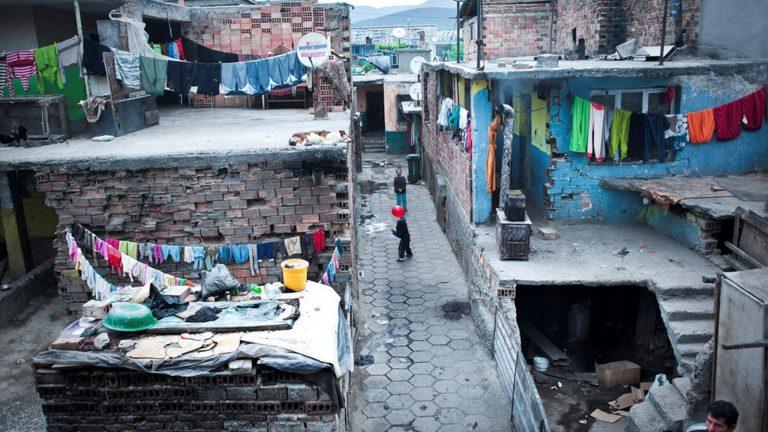
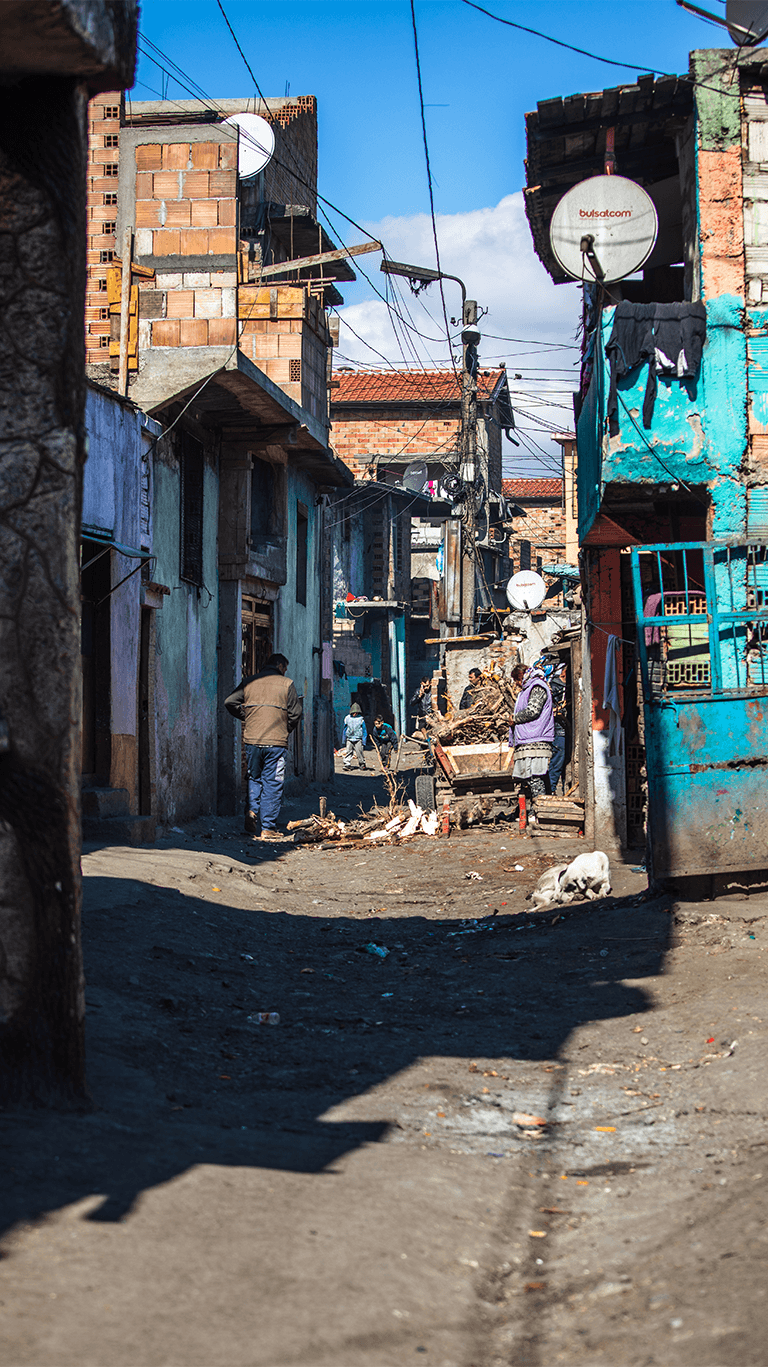
    Since 2004, Médecins du Monde has been working in the segregated neighbourhood of Nadezhda, an area that is physically cut off from the city of Sliven by urban infrastructure and the River Asenovska. Nadezhda is home to around 11% of the population of Sliven, which is the seventh largest city in Bulgaria with a population of about 83,000.

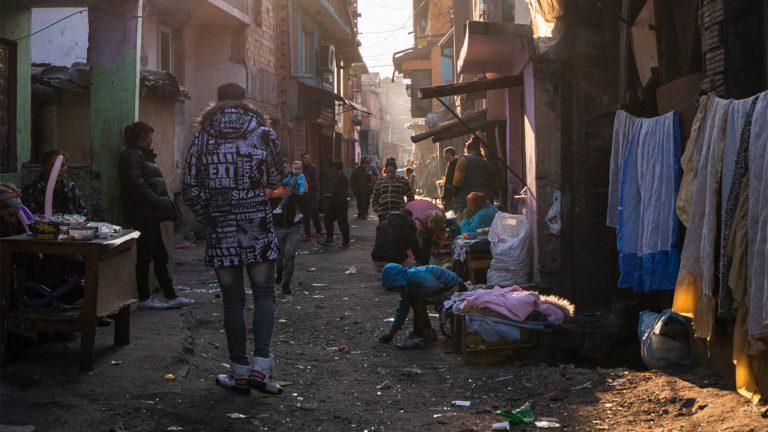
    Some people in Nadezhda live in extremely precarious conditions: 73% have no bathroom, 66% have no toilet and many don’t have access to electricity or even drinking water. Unsanitary housing, lack of regular water supply, lack of waste management and widespread pollution encourage parasites and rodents and the spread of vector-borne diseases.

    Services are very limited and the divide between the Nadezhda neighbourhood and the rest of the city is yet another form of discrimination, on top of what the inhabitants already face as members of the Roma community. Ambulances refuse to go to certain parts of Nadezhda due to the lack of roads and room to manoeuvre and also because there is very little dialogue with the inhabitants.

© Lina Krivoshieva

Our humanitarian assistance in Bulgaria

  • Improving access to sexual and reproductive healthcare

    Médecins du Monde works in Sliven and in the Nadezhda neighbourhood to ensure that women and girls have better access to information, gynaecological consultations and contraception, in order to prevent unintended pregnancies and sexually transmitted diseases.

    In 2024, we provided advice on sexual and reproductive health and rights to 1,330 women and girls and organised 176 health education sessions. In addition, 457 women and girls were referred for gynaecological consultations.

  • Improving living conditions and health

    Médecins du Monde is also working to reduce the negative impact the living conditions in Nadezhda have on people’s physical and mental health.

    We are maintaining a safe space in the neighbourhood where we run workshops, share information and provide consultations for girls, boys, women and gender minorities. We have also organised mental health and psychosocial sessions with young people in the neighbourhood.

  • 2,281

    beneficiaries in 2024.

2,281

beneficiaries in 2024.

© Yves Rouillard

Timeline
  • 2004
    Intervention in the Nadezhda ghetto
  • 2009
    Programmes focused on hygiene, vaccination and sexuality
  • 2013
    Opening of the information and referral centre (CIO).
  • 2014
    The city council commits to subsidising planned parenthood medical consultations for women
  • 2016
    Support programme for migrants in reception and registration centres
  • 2018
    Launch of a programme to support migrant women and children who are survivors of violence.