
Philippines

© Lam Duc Hien

3.7 MILLION

 families living in informal settlements, mainly in Manila

47 %

of new HIV cases affect young people aged 15-24
35 %

rate of teenage pregnancy (15-19 years)

Médecins du Monde’s emergency response includes a range of humanitarian assistance programmes. Find out more below about our work in the Philippines.

The humanitarian situation in the Philippines

Around 1.5 million people in the capital Manila live in areas that are particularly susceptible to disasters, especially flooding. The country faces many environmental issues and health problems, from precarious housing to natural disasters and difficult living conditions.
  • Living conditions harmful to health

    In the Philippines, around 47,000 people every year die from strokes, heart conditions, lung cancer and chronic respiratory diseases caused by air pollution.

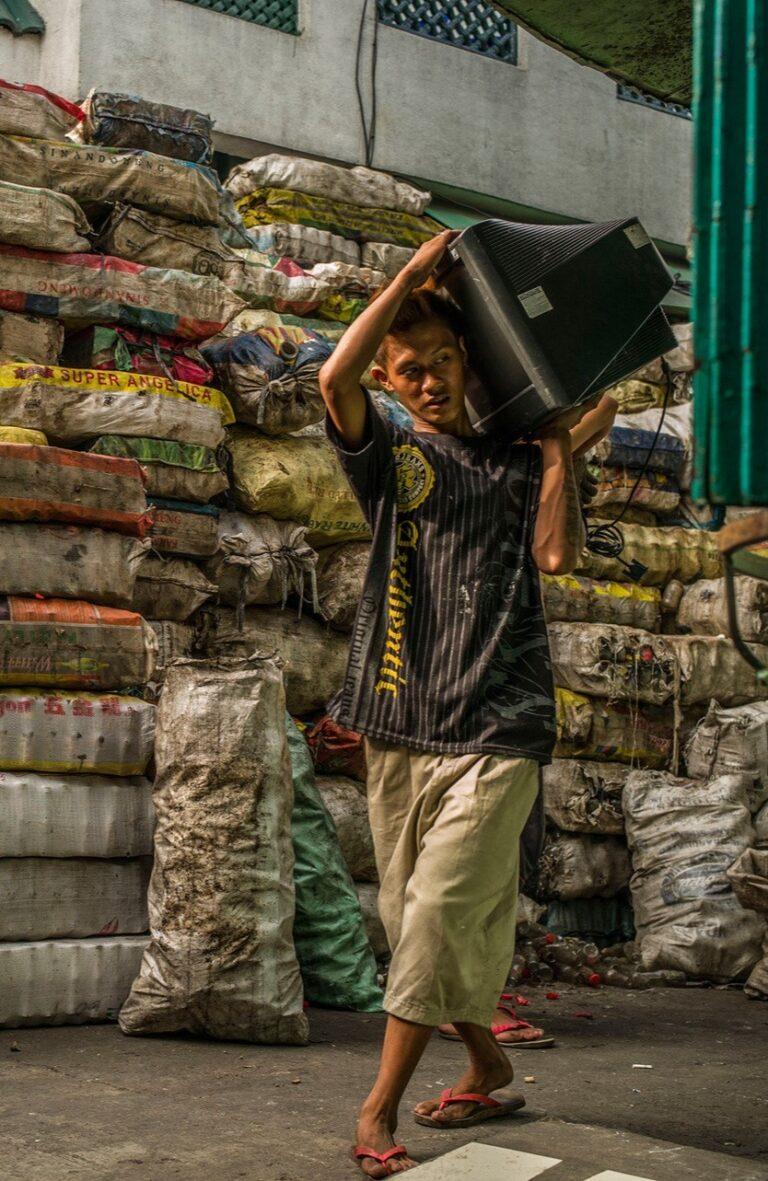
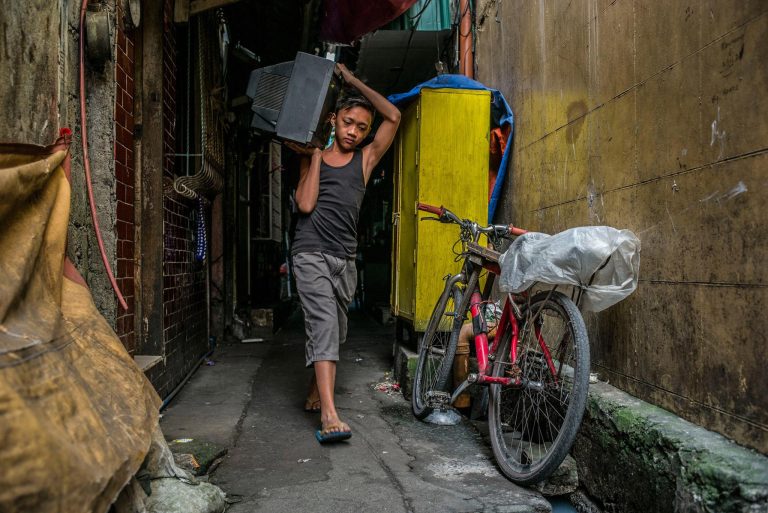
    The majority of people in the San Andres and Tondo districts of Manila live in informal settlements and in shacks crowded together on low-lying land that was previously swamp and is still regularly flooded during the rainy season.

    These communities are often socially excluded and are affected by the lack of a social support system, hazardous living and working conditions, discrimination and isolation. Moreover, the poorest families are not automatically enrolled in the Filipino health insurance system, meaning they are even more vulnerable if they become ill.

  • Record-breaking rates of adolescent pregnancy and violence

    In the Philippines many women do not have access to modern methods of contraception and abortion remains illegal, with no exceptions.

    The situation among young women is particularly alarming, with the number of young mothers aged between 10 and 19 constantly rising. The practice of child marriage or marriage under the age of 18 is the fifth most common reason cited by young people for not going to school.

    In addition, 17.5% of Filipino women aged between 15 and 49 have experienced some form of physical, sexual or emotional violence from an intimate partner. Two out of five survivors of gender-based violent have not sought help.

  • Abortion – illegal and dangerous

    Access to abortion remains restricted by the Penal Code. Lack of access to safe and legal abortion and good post-abortion care means abortion is one of the main causes of maternal death in the Philippines.

    Every day three women die as a result of complications following an abortion performed in unsafe conditions. Every hour 70 women undergo an abortion and 11 women are hospitalised.

  • High exposure to HIV

    The Philippines is ranked by UNAIDS as the country with the fastest growing rate of HIV in the world. The number of cases doubled in 2023 and almost half of those infected are aged between 15 and 24. The region of Metropolitan Manila accounts for 80% of cases.The Philippines is ranked by UNAIDS as the country with the fastest growing rate of HIV in the world. The number of cases doubled in 2023 and almost half of those infected are aged between 15 and 24. The region of Metropolitan Manila accounts for 80% of cases.

Philippines RDR

© Lam Duc Hien

OUR HUMANITARIAN WORK IN THE PHILIPPINES

Médecins du Monde’s work focuses on specific issues, in particular waste management and preventing unintended pregnancy.
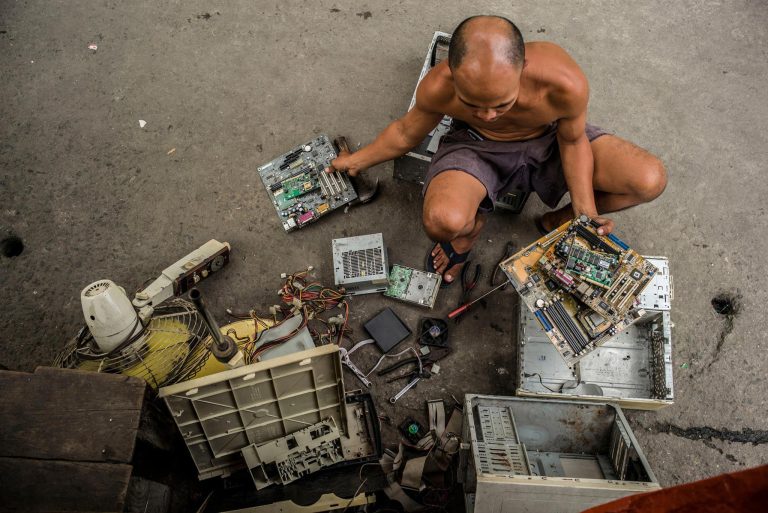
  • Working with waste recyclers

    Médecins du Monde works in the San Andres and Tondo districts of Manila with informal waste recyclers and their families to help protect them from the dangers of hazardous waste, such as lead and other heavy metals.

    We are working with the communities and helping to improve the health system, for example through the establishment of a health post in Barangay 105.

    The team is also working with the local authorities to advocate for recognition of the resource management role played by informal workers in the waste sector. They are also calling for the provision of services and allocation of resources at local level to address environmental health risks.

  • Giving young people access to sexual and reproductive healthcare

    The communities of the autonomous Muslim region of Bangsamoro on the island of Mindanao are exposed to conflict and natural disasters against a background of political transition and Islamic religious conservatism. In this region, one in five married women do not receive the family planning services they need. Early and forced child marriage is both a cause and consequence of adolescent pregnancy.

    Since early 2025, Médecins du Monde has been working in these communities to improve the delivery of the Minimum Initial Service Package for Sexual and Reproductive Health. We are working with both the communities and the local and national authorities to prevent sexual violence and unintended pregnancy (especially in adolescents) and to support victims of violence.

  • Helping victims of disasters

    On 21 July 2024, the capital was hit hard by Typhoon Carina which brought historic levels of rainfall and caused the river to rise, forcing many families to evacuate. Médecins du Monde provided hygiene kits to the evacuated families from the Tondo district and gave medicines, dengue testing kits and other medical supplies to healthcare facilities.

    During 2024 there were several fires in the districts of Tondo and San Andres in Manila which left over 10,000 people homeless. Médecins du Monde and its partners helped to set up mobile clinics to care for the victims and provided tarpaulins and hygiene kits.

© Lam Duc Hien

  • 6,397

    beneficiaries in 2024.

6,397

beneficiaries in 2024.

Timeline
  • 1996
    Emergency response following Typhoon Rosing in the three provinces of Quezon, Camarines Norte and Camarines Sur.
  • 1998
    Primary healthcare for isolated populations in the archipelagos of Camotes, Biri, Capul and San Antonio (Northern Samar).
  • 2012
    Opening of a pilot programme to reduce health and environmental risks in the informal electrical and electronic waste recycling sector.
  • 2013
    Emergency response on the island of Leyte following Typhoon Haiyan.
  • 2014
    Conclusion of emergency response.
  • 2016
    Scaling up of the health and environmental risk reduction programme.