
Pakistan

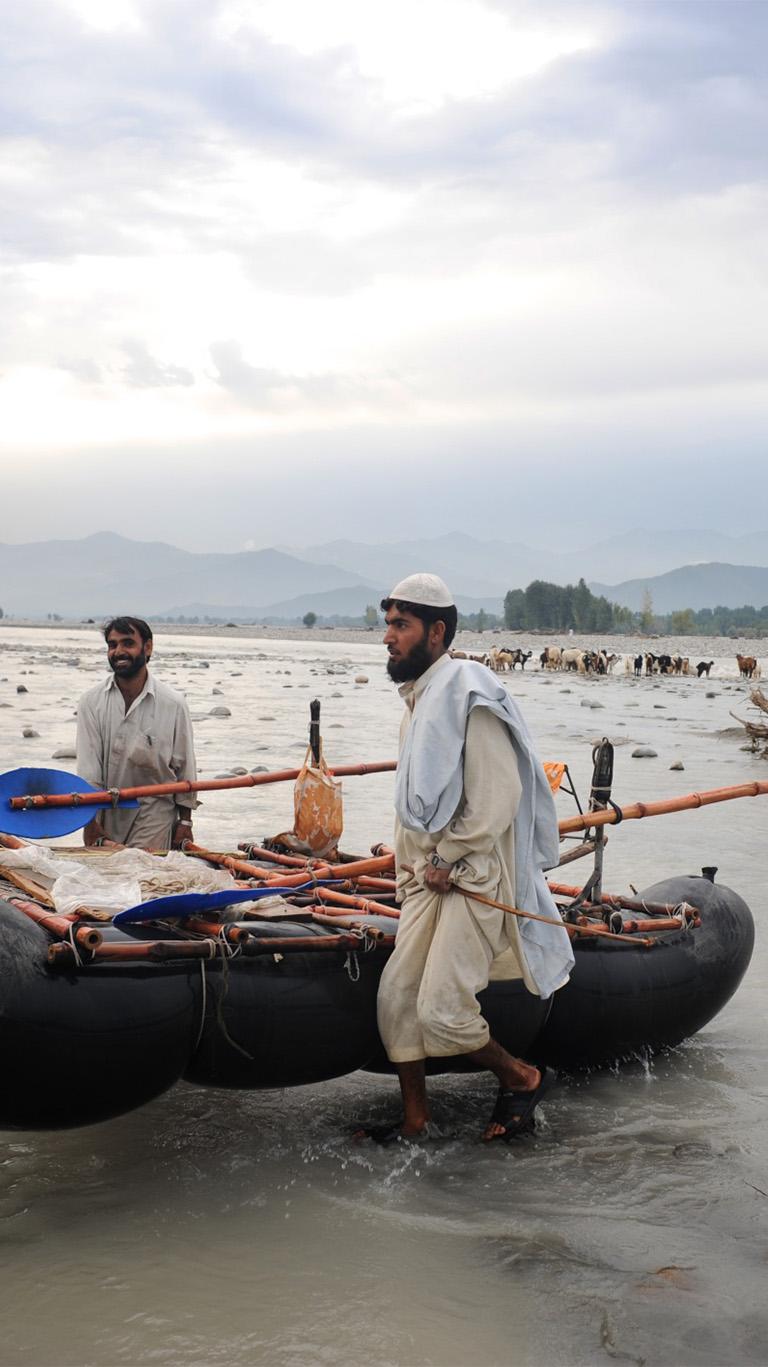
© Katrijn Van Giel

1 /13

children die before their 5th birthday

34 MILLION

people living below the poverty line

14,000  

women every year die giving birth

Médecins du Monde’s emergency response includes a range of humanitarian assistance programmes. Find out more below about our work in Pakistan.

THE NEED FOR HUMANITARIAN ASSISTANCE IN PAKISTAN

Pakistan is ranked 164th out of 193 countries in the Human Development Index and the country invests very little in its health sector, with just 3.4% of GDP spent on health. Women and children are among those most affected by the failures of the healthcare system.
 

  • A HIGHLY FRAGILE HEALTHCARE SYSTEM

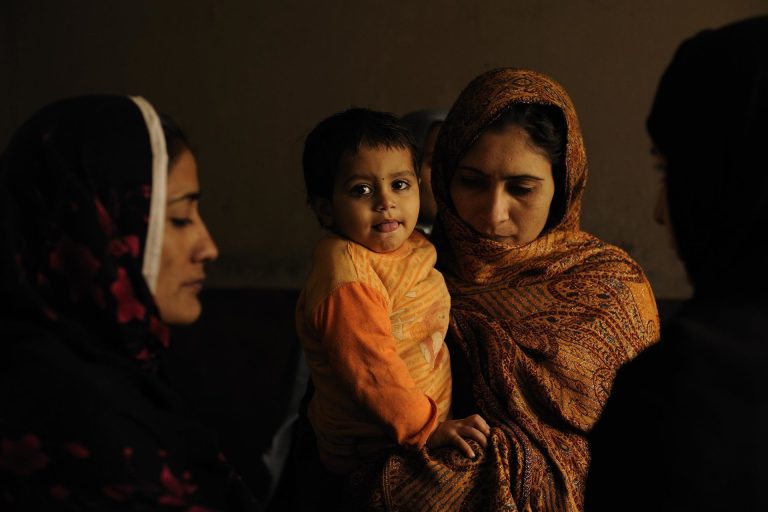
    The public health system in Pakistan is extremely fragile, especially in rural areas that have suffered multiple crises, armed conflict and natural disasters. The services provided are inadequate and there is a severe lack of qualified medical staff, equipment and essential medicines.

    In October 2024, the number of Afghan refugees in Pakistan rose to 3 million, of whom only half are officially registered. Access to rights and healthcare is particularly limited for these marginalised populations who have to make do with health infrastructure which has to a large extent been damaged or destroyed.

  • Sexual and reproductive health – a taboo subject

    Women in Pakistan are particularly vulnerable and face significant barriers to exercising their rights and the freedom to exert control over their own bodies, sexuality and family life. It is difficult for them to access good quality sexual and reproductive health services. Although Pakistan is the fifth most populated country in the world, with population growth of 2.4% per year, rates of contraceptive use have stalled at 34.2%.

    This situation puts women at risk as they contend with early and closely spaced pregnancies and suffer miscarriages. Furthermore, 40% of births are not attended by qualified healthcare staff. Too many women die during pregnancy or while giving birth and many children die from asphyxia at birth or from diarrhoea or pneumonia during their first years of life.

    On top of poor healthcare provision, socio-cultural norms present an additional barrier to exercising the right to sexual and reproductive healthcare. In Khyber-Pakhtunkhwa (KP), women cannot travel alone and they usually need permission from their husband or mother-in-law to attend healthcare facilities. Very few female medical staff, particularly doctors, are employed in this region.

© Lam Duc Hien

OUR HUMANITARIAN WORK IN PAKISTAN

Médecins du Monde has been working in Pakistan since 2009, responding to emergencies and supporting facilities which provide primary healthcare to internally displaced people and host communities.
  • Ensuring access to healthcare for Afghan refugees and host communities

    Médecins du Monde works in Khyber-Pakhtunkhwa to provide access to primary and life-saving care for Afghan refugees and the communities that host them.

    We support existing healthcare services, providing primary care at seven public healthcare facilities, including two maternity units and in three refugee camps. We refer patients to government vaccination programmes and focus in particular on sexual and reproductive health services and nutritional screening.

  • Helping victims of acid burns

    In Punjab, in eastern Pakistan, Médecins du Monde works with partners to provide reconstructive surgery and psychosocial support for survivors of acid burns.

    We also give medical supplies and operational support to a partner organisation which identifies patients and manages transport and logistics. In 2024, reconstructive surgery was performed on 49 patients.

  • 165,277

    Beneficiaries in 2024.

165,277

Beneficiaries in 2024.

Timeline
  • 2004
    Start of intervention in Dar-ul-Aman women’s shelters.
  • 2009
    35 Dar-ul-Aman shelters opened in the country.
  • 2009
    Start of intervention for victims of conflict in KP.
  • 2015
    Conclusion of intervention in the Dar-ul-Aman shelters; management transferred to the social affairs department.
  • 2015
    Launch of an SRH project in youth centres in Lahore.
  • 2017
    Opening of a new family planning project in Chiniot, Punjab.