
Nepal

15,000  

informal waste collectors and recyclers working in Nepal.

66 %

of informal waste collectors and recyclers report suffering from work-related injuries

1,200 tonnes

of waste are produced every day in Kathmandu.

Médecins du Monde’s emergency response includes a range of humanitarian assistance programmes. Find out more below about our work in Nepal.

The humanitarian situation in Nepal

  • Mountains of waste

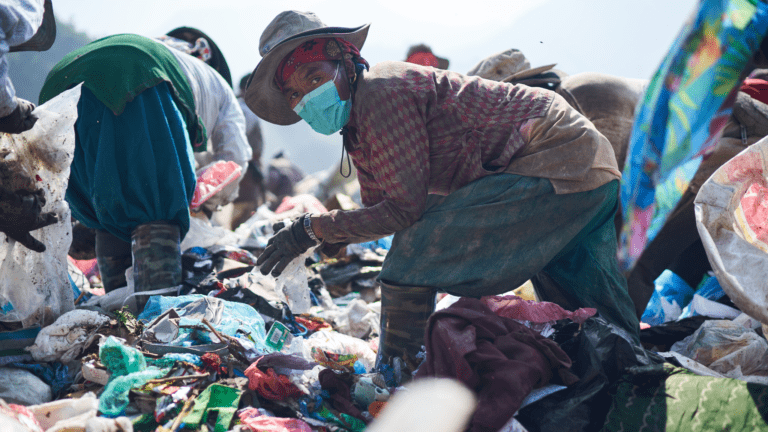
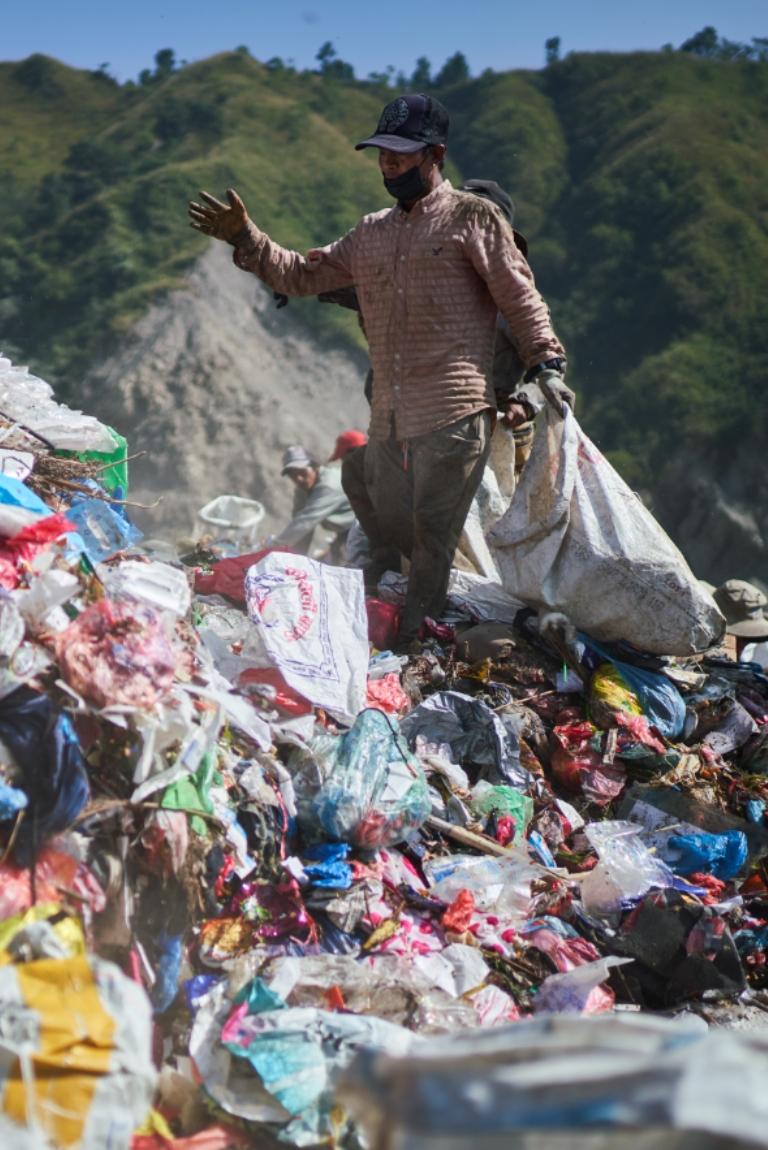
    Chaotic and uncontrolled urban development in Nepal creates many different environmental problems. This is especially true in the Kathmandu Valley, home to over half of Nepal’s urban population, and in the Banke District of Nepalgunj, a trade hub in western Nepal on the border with India.

    Over 1,200 tonnes of waste are produced every day in Kathmandu, resulting in appalling sanitary conditions. There are around 20,000 informal workers in Nepal’s waste sector, of whom 75% are in the capital.

    These workers have different roles – waste collectors and recyclers, itinerant waste buyers and people who work in scrapyards and landfill sites. They have almost no awareness of the health risks posed by these practices.

  • Intensive use of chemical pesticides in agriculture

    Nepal’s economy is largely dependent on agriculture which represents 22% of GDP, according to the World Bank. Around 30% of the country’s land area is used for farming. Over the last 25 years the use of chemical products has become commonplace in rural agricultural communities and is encouraged for economic reasons by traders, the Nepalese authorities and farming cooperatives.

    Recently, this trend has accelerated rapidly at a rate of 10-20% per year. This abusive use of pesticides is accompanied by a glaring lack of information about their harmful effects on the health of both farmers and consumers.

  • Severe flooding

    Between 27 and 29 September 2024, heavy rainfall in Nepal led to widespread flooding and landslides.

    The storms caused serious damage and disruption on a national scale, displacing 1,360 families who lived in informal settlements in the Kathmandu Valley. Many waste collectors were affected. The disaster resulted in 236 deaths and affected 16,243 households across the country.

OUR HUMANITARIAN ASSISTANCE IN NEPAL

  • Supporting waste collectors and recyclers

    Médecins du Monde works with waste collectors and recyclers in the Kathmandu Valley and in Nepalgunj, in partnership with local organisations and municipalities. The aim is to mitigate the occupational risks and harmful environmental exposure and to provide greater access to information and to good healthcare tailored to their needs, including occupational health services.

    We have distributed personal protective equipment and administered vaccinations for tetanus and diphtheria. Three civil society organisations representing informal workers and waste recyclers have been established to advocate for their health rights. Special health posts have been set up to provide women with essential care, particularly sexual and reproductive healthcare.

    Médecins du Monde is also supporting the creation of spaces where people can meet and discuss their experiences and share health information relevant to these communities of workers.

  • Supporting and educating people exposed to pesticides

    Médecins du Monde is working with farmers in three districts (Kavre, Ramechhap and Sindhupalchok) in partnership with NGOs and other local organisations.

    The work seeks to prevent occupational risks posed by the use of chemical pesticides, improve working conditions for farmers and give them better access to health services, including consultations on health and safety at work.

  • Supporting the government’s initiative for a universal healthcare system

    In 2024, Médecins du Monde provided technical support to the health and safety at work services in Kathmandu and Nepalgunj and delivered training on medical waste management for healthcare staff.

    Awareness-raising sessions on the risks associated with waste dismantling were organised for workers, focusing on preventing injuries, musculoskeletal conditions and animal bites, the importance of tetanus vaccinations, how to use personal protective equipment correctly and personal hygiene.

    Médecins du Monde has also trained healthcare professionals to provide consultations on health and safety at work, a relatively new concept in Nepal.

  • Helping people affected by flooding in Kathmandu

    Médecins du Monde responded rapidly to the disaster, providing healthcare services with essential medical supplies, distributing emergency relief supplies to affected families (including mosquito nets, blankets and hygiene kits) and raising awareness about health and disease prevention, especially in relation to dengue fever and cholera, with the aim of reducing health risks following flooding.

  • 3,693

    Beneficiaries in 2024.

  • 149,253

    Indirect beneficiaries in 2024.

3,693

Beneficiaries in 2024.

149,253

Indirect beneficiaries in 2024.

Timeline
  • 1995
    Community health and AIDS prevention programme opened in Baglung, Myagdi and Parbat Districts (closed in 1999).
  • 2002
    AIDS prevention programme opened in Gulmi, Arghakhanchi, Syangja and Palpa Districts (closed in 2006).
  • 2007
    First project combining access to healthcare and microfinance services in 12 communities in Sindhupalchok District.
  • 2011
    Expansion of the programme to 10 more communities in the same district.
  • 2015
    Emergency response following the earthquake.
  • 2016
    Post-emergency reconstruction programme started in Sindhupalchok.