


EU Return Regulation adopted: implementation must not come at the expense of health
2026-10-02
Brussels, 1 October 2026
The Council of the EU has formally adopted the new EU Return Regulation, concluding a legislative process increasingly driven by the political objective of maximising the deportation of third-country nationals, despite sustained criticism and warnings by civil society and UN bodies. Throughout the negotiations in the European Parliament, the EPP joined forces with the far-right political groups to secure a majority for more punitive measures, while Member States have also pushed for a tougher approach.
The Regulation introduces offshore “return hubs” in third countries, expanded and prolonged detention, stronger enforcement and cooperation obligations, and new investigative powers, including the ability to search individuals, electronic devices, homes and other locations such as shelters, hospitals, or workplaces. and new inv. These measures raise serious concerns about the protection of fundamental rights, including the principle of non-refoulement and the right to health.
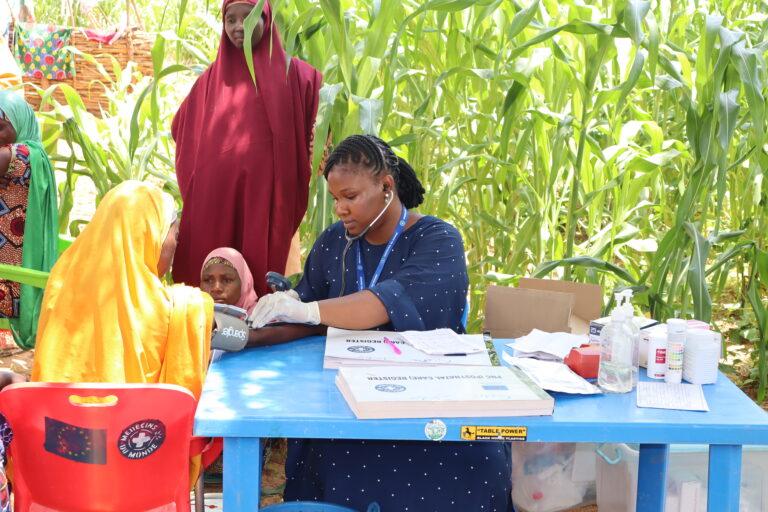
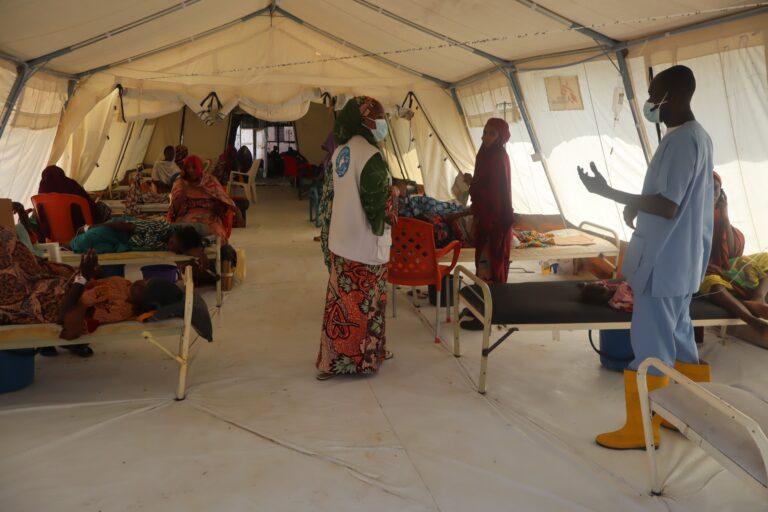
Médecins du Monde warns that these measures could have serious consequences for access to care and medical ethics. During negotiations, more than 1,300 healthcare workers signed an open letter opposing the Regulation and raising concerns about its potential impact on access to healthcare, medical confidentiality and doctor-patient relationship. Many fear undocumented migrant will avoid seeking care.
The Regulation also risks compromising the role of healthcare workers. Doctors, nurses, psychologists, and social workers could face pressure to cooperate with immigration enforcement, diverting them from their primary duty of patient care and undermining the trust essential to it.
This pressure is already visible elsewhere in Europe. In Sweden, for example, two laws came into force in 2025 and 2026, one compelling public sector workers to report undocumented migrants to police, and the second requiring public healthcare providers and government authorities to provide contact details to law-enforcement authorities.
Hannah Laustiola, MdM Sweden’s Executive Director
Implementation is the next battleground
The Regulation will enter into force following its publication, while many of its provisions will only become applicable after a 12-month period. However, provisions allowing Member States to establish return hubs can apply from the Regulation’s entry into force.
Member States therefore have important choices to make about how the Regulation is translated into national legislation, procedures and practice. They must use the safeguards available to prevent rights violations and protect health.
“Health systems should remain spaces of care, not control. Healthcare workers must be able to care for their patients without being placed in the role of immigration enforcement, and people must be able to seek healthcare without the fear of being detained and deported. The adoption of this Regulation does not make these concerns disappear. Its implementation must now be shaped by strong safeguards for health and medical ethics.”
Andrea Soler, Médecins du Monde’s EU Migration Policy Advisor
Médecins du Monde calls Member States to:
- Ensure that healthcare facilities, social support services, shelters, and reception centres are fully sanctuarised and excluded from immigration enforcement and migration control practices.
- Establish a clear firewall between healthcare and immigration enforcement, ensuring that health facilities and healthcare workers are never required to identify, report or facilitate the removal of people seeking care.
- Explicitly protect medical confidentiality by ensuring that patient information and health records cannot be accessed, exchanged, or used for immigration enforcement purposes in ways that undermine professional confidentiality, trust in healthcare services and the doctor–patient relationship.
- Guarantee an individual assessment of physical and mental health needs prior to detention, transfer or return, and ensure access to timely, independent and continuous healthcare throughout the procedure.
- Require an individualised assessment of non-refoulement and health risks before every return or transfer, including whether a person would face serious deterioration in health, harm or lack access to essential healthcare and treatment upon return.
- Ensure that detention is used only as a genuine measure of last resort, based on an individual assessment of necessity and proportionality, with effective alternatives systematically considered first. Guarantee timely access to independent healthcare in detention, including mental healthcare, legal assistance and independent monitoring mechanism.
- Reject the establishment of return hubs, given the risks of inadequate access to protection, legal assistance, healthcare and independent monitoring, as well as the risk of chain refoulement.
- Establish a robust and independent monitoring mechanism of return processes.
- Involve civil society organisations, professional healthcare associations and unions in the national implementation to ensure transparency and scrutiny
- Guarantee access to healthcare without fear for all individuals, irrespective of their administrative status, ensuring that seeking healthcare never results in detention, information-sharing for immigration purposes, or other negative consequences.