


Médecins du Monde Mobilizes Rapid Emergency Response as Severe Cholera Outbreak Escalates Across Borno State
2026-06-19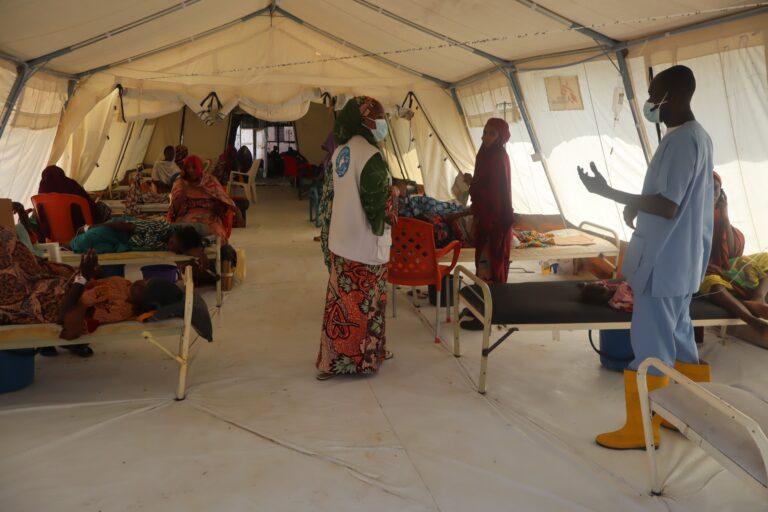
MAIDUGURI, NIGERIA — June 18, 2026
Borno State is currently facing one of its most severe cholera outbreaks in recent years, exposing the deep vulnerabilities of communities already weakened by years of conflict, displacement, poverty, and limited access to safe water and sanitation services.
First confirmed on May 1, 2026, the outbreak has spread rapidly across 16 Local Government Areas (LGAs). According to the Borno State Public Health Emergency Operations Centre (BPHEOC), through the Borno State Ministry of Health, more than 12,000 suspected cases and at least 95 deaths have been recorded as of June 17, 2026. Health authorities warn that these figures may rise further as the rainy season intensifies.
Cholera is an acute diarrhoeal disease transmitted through contaminated food or water that can cause severe dehydration and death within hours if left untreated. In Nigeria’s conflict-affected northeast, the rapid spread is being driven by long-standing challenges: overcrowded settlements, underfunded health and sanitation infrastructures, open defecation, and inadequate access to clean drinking water across affected communities.
As soon as the alert was raised, Médecins du Monde (MdM) mobilized its teams and resources to respond to the emergency, drawing on past experience gained during the 2024 cholera outbreak in Maiduguri Metropolitan Council (MMC) and Jere LGAs. In collaboration with Médecins Sans Frontières Belgium (MSF-B), MdM rapidly set up two Cholera Treatment Units (CTUs) to provide lifesaving care to affected patients:
- Abbaganaram Primary Health Care Centre: Established with a 15-bed capacity.
- Dalaram Primary Health Care Centre: Established with a 32-bed capacity.
To ensure patient and staff safety, MdM implemented strict Infection Prevention and Control (IPC) measures within these supported facilities. This included deploying specialized cholera beds, installing handwashing stations, and providing chlorine solutions and disinfectants.
To fully support the medical response, MdM has also distributed comprehensive medical and non-medical supplies, including:
- Medical Treatments: Oral Rehydration Salts (ORS), intravenous fluids (such as Ringer’s Lactate), azithromycin, and doxycycline.
- Protective & Operational Equipment: Essential protective equipment, IV cannulas, disposable gloves, gowns, footwear, knapsack sprayers, and patient registration materials.
All medical staff involved in the response had previously undergone formal cholera preparedness and case management training. MdM has further reinforced this by providing both formal and on-the-job training to staff and healthcare workers in supported facilities. Training modules cover cholera case definitions, causes and transmission pathways, dehydration assessment and management, infection prevention measures, and outbreak control strategies.
In addition to the main treatment centres, MdM established two Oral Rehydration Points (ORPs) at the Gwange 1 and Gamboru health facilities within MMC LGA.
These ORPs serve a vital dual purpose: they provide immediate rehydration services for patients suffering from mild dehydration, and they facilitate early detection and swift referral of severe cases to the CTUs in Abbaganaram, Dalaram, or the MSF-B-supported facility in Nganaram when needed.
In Damboa LGA, located south of Maiduguri and considered a hard-to-reach area due to insecurity and high levels of poverty, MdM has also intensified preventive and treatment efforts. So far, a total of 16 suspected cholera cases have been reported in Damboa LGA, resulting in two deaths. Currently, no patients are admitted to a Cholera Treatment Unit (CTU), and all suspected cases are being managed at General Hospital Damboa in accordance with established referral pathways.
In anticipation of a potential increase in cholera cases, Médecins du Monde (MdM) has strengthened preparedness measures across the LGA. MdM has pre-positioned 20 cholera beds and is ready to operationalize a Cholera Treatment Unit (CTU) should the epidemiological situation deteriorate. Under the preparedness arrangement, MdM will lead clinical case management activities within the CTU, while International Medical Corps (IMC) will support Water, Sanitation and Hygiene (WASH) interventions.
In case of a surge and to enhance early detection and community-level management, MdM plans to establish Oral Rehydration Points (ORPs) at the following locations:
- Hausari PHC
- GTS Clinic
- Shuwari PHC
- Damboa Dispensary PHC
- CTU site.
These ORPs will facilitate early rehydration, community awareness, and timely referral of suspected cholera cases.
Beyond case management preparedness, MdM continues to implement cholera prevention activities through community sensitization and health education sessions conducted both within health facilities and at community level. Key messages focus on hand hygiene, safe water practices, food safety, environmental sanitation, early recognition of cholera symptoms, and prompt healthcare seeking behavior.
MdM is also actively supporting cholera surveillance activities through close collaboration with health authorities and humanitarian partners to ensure timely detection, referrals, reporting, and response to suspected cases.
As the rainy season is ongoing, the risk of further cholera transmission remains dangerously high. Médecins du Monde reiterates the urgent need for sustained, long-term investments in health and WASH services, to protect vulnerable populations and prevent future outbreaks from taking root.
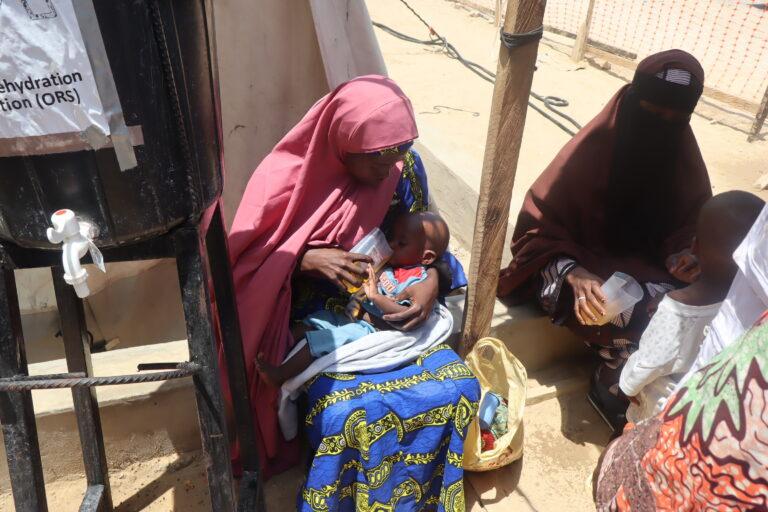
Dalaram PHC’s Cholera Treatment Unit (in collaboration with MSF-B), Maiduguri, June 18th, 2026