
3 minutes
Reading 53 International NGOs warn Israel’s recent registration measures will impede critical humanitarian action
Article

53 International NGOs warn Israel’s recent registration measures will impede critical humanitarian action

2026-01-02
  • 53 International NGOs warn Israel’s recent registration measures will impede critical humanitarian action

International humanitarian organizations operating in the occupied Palestinian territory warn that Israel’s new registration measures threaten to halt INGO operations at a time when civilians face acute and widespread humanitarian need, despite the ceasefire in Gaza. On 30 December, 37 INGOs received official notification that their registrations will expire on 31 December 2025. This triggers a 60-day period during which INGOs would be required to cease operations in Gaza and the West Bank, including East Jerusalem.

INGOs are integral to the humanitarian response, working in partnership with the United Nations and Palestinian civil society organizations to deliver lifesaving assistance at scale. The United Nations, the Humanitarian Country Team, and donor governments have repeatedly affirmed that INGOs are indispensable to humanitarian and development operations and have urged Israel to reverse course.

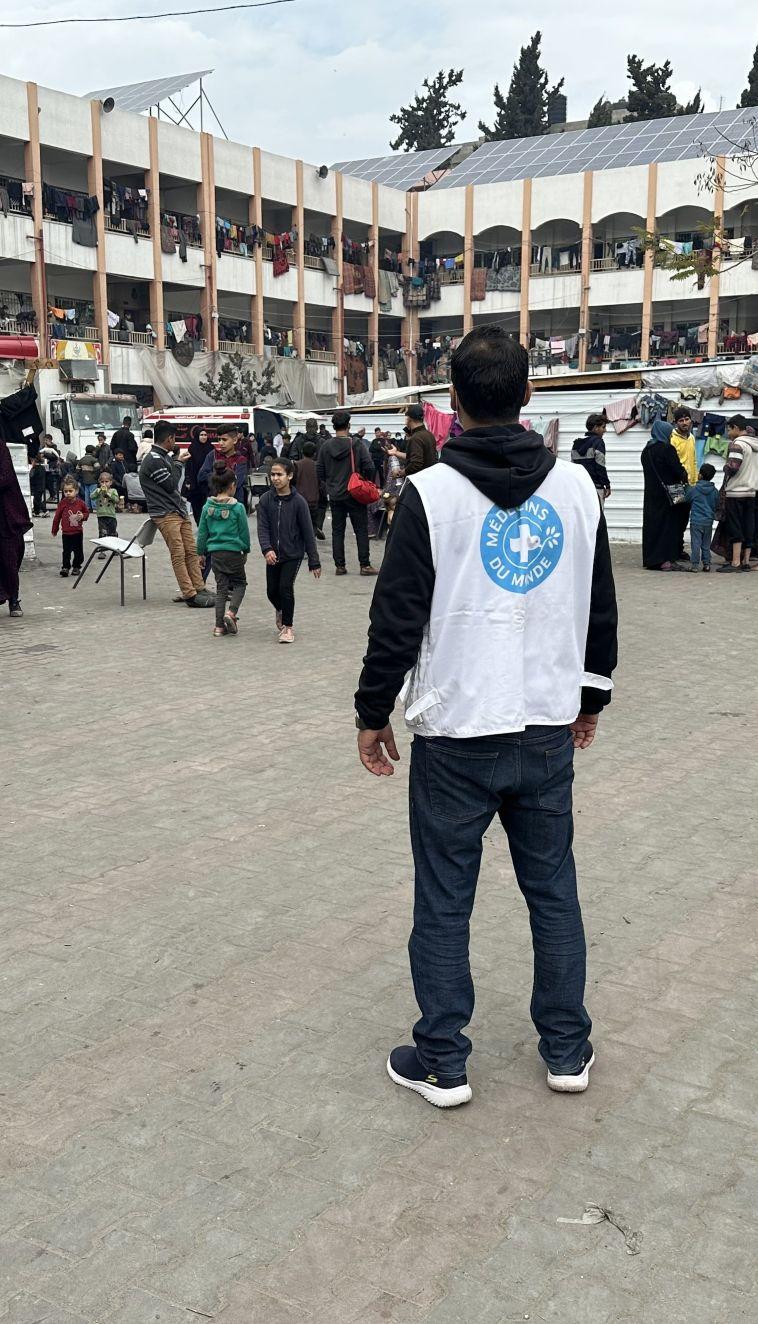
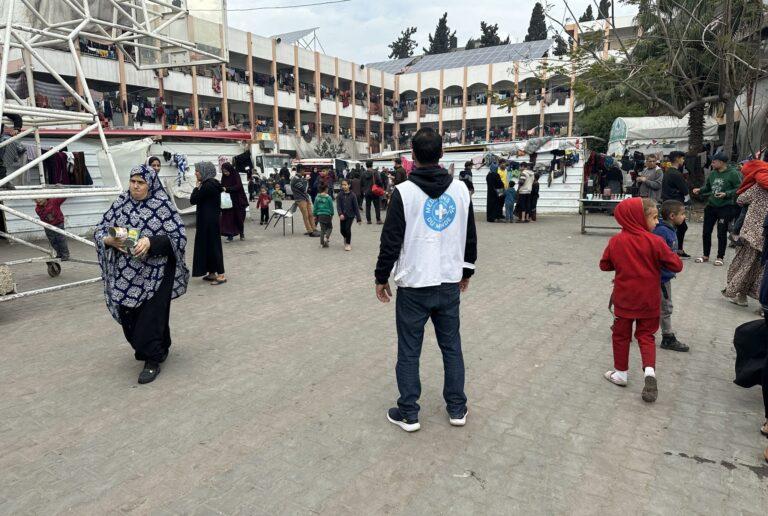
Humanitarian needs remain extreme. One in four families survives on just one meal a day. Winter storms have displaced tens of thousands, leaving 1.3 million people in Gaza in urgent need of shelter. INGOs deliver more than half of all food assistance in Gaza, run or support 60 per cent of field hospitals, implement nearly three-quarters of shelter and non-food item activities, and provide all treatment for children with severe acute malnutrition. Their removal would close health facilities, halt food distributions, collapse shelter pipelines, and cut off life-saving care. In the West Bank, ongoing military raids and settler violence continue to drive displacement. Further restrictions on INGOs would sharply reduce the reach and continuity of lifesaving assistance at a critical moment.

Recent efforts to downplay the impact of deregistering INGOs through selective metrics or headline percentages obscure how humanitarian assistance is delivered in practice. Humanitarian access must be measured by whether civilians receive the right assistance, in the right place, at the right time.

Unsubstantiated allegations linking INGOs to armed groups have been advanced without evidence or due process. INGOs operate under strict donor-mandated compliance frameworks, including audits, counterterror financing controls, and due diligence requirements that meet international standards. INGOs cannot transfer sensitive personal data to a party to the conflict, particularly in a context where more than 500 humanitarian workers have been killed since 7 October 2023. False narratives delegitimize humanitarian organizations, endanger staff, and undermine the delivery of assistance.

This is not a technical or administrative matter, but a deliberate policy choice with foreseeable consequences. By allowing INGO registrations to expire, the Israeli government is obstructing humanitarian assistance at scale. Humanitarian access is not optional, conditional, or political. It is a legal obligation under international humanitarian law. This move would also set a dangerous precedent of unacceptable Israeli overreach into the Palestinian territory, where the relevant permissions to operate are granted by the Palestinian Authority, not Israel.

We call on the Government of Israel to immediately halt deregistration proceedings and lift measures obstructing humanitarian assistance. We urge donor governments to use all
available leverage to secure the suspension and reversal of these actions. Independent, principled humanitarian operations must be protected to ensure civilians can receive the assistance they urgently need.
  • Note to editors
    • The role of INGOs is irreplaceable across all humanitarian sectors:
    • Health: INGOs run or support approximately 60 percent of Gaza’s field hospitals. Deregistration would result in the immediate closure of roughly one in three health facilities.
    • Food security: INGOs delivered more than half of all food assistance in 2024, including the majority of cooked-meal distribution points.
    • Shelter: INGOs have implemented nearly three-quarters of all shelter and non-food item activities. Approximately 600,000 shelter items are currently in INGO supply pipelines.
    • Water and sanitation: INGOs deliver 42 percent of all WASH services, including outbreak prevention and response for acute watery diarrhea.
    • Nutrition: INGOs support all five stabilization centers treating children with severe acute malnutrition, representing 100 percent of Gaza’s treatment capacity.
    • Mine action: INGOs provide more than half of all funding for explosive hazard clearance. Removal of INGOs would result in capacity reductions of up to 100 percent.
    • Education: INGOs run or support around 30 percent of emergency education activities, which already reach only a limited proportion of the school-age population.
    • Principled humanitarian organizations cannot transfer sensitive personal data of national staff or their families. This is consistent with humanitarian principles, duty-of-care obligations, and global data-protection standards applied across all contexts. With more than 500 humanitarian workers killed during Israel’s war on Gaza, staff protection remains a critical concern.
    • Restrictions on INGOs also directly affect Palestinian partner organizations, undermining local response capacity, disrupting funding flows, and weakening community-based service delivery across sectors.
    • INGOs are legally authorized to operate and remain committed to delivering humanitarian assistance through UN coordination systems and local partnerships, while continuing to seek the removal of measures that obstruct aid delivery.
  • Allied Organizations
    1. Acs
    2. Action Against Hunger (ACF)
    3. Action for Humanity
    4. ActionAid
    5. American Friends Service Committee (AFSC)
    6. Amnesty International
    7. AOI – Cooperazione e Solidarietà internazionale – Italia
    8. CADUS e.V.
    9. Campaign for the Children of Palestine (CCP Japan)
    10. CARE Canada
    11. CARE International UK
    12. Children are Not Numbers
    13. Churches for Middle East Peace
    14. CISS – Cooperazione Internazionale Sud Sud
    15. Council for Arab-British Understanding (Caabu)
    16. DanChurchAid
    17. Danish Refugee Council
    18. Diakonia
    19. EducAid
    20. Emergency NGO
    21. Fondation Terre des hommes Lausanne
    22. Glia
    23. HEKS/EPER – Swiss Church Aid
    24. Human Rights Solidarity
    25. Humanity & Inclusion – Handicap International
    26. INTERPAL
    27. Islamic Relief
    28. Japan International Volunteer Center (JVC)
    29. Médecins du Monde – Suisse
    30. Médecins du Monde – France
    31. Médecins Sans Frontières
    32. Medical Aid for Palestinians
    33. medico international
    34. Medicos Del Mundo (MDM – Spain)
    35. Mennonite Central Committee
    36. Middle East Children’s Alliance
    37. NORWAC ( Norwegian aid committee)
    38. Norwegian Church Aid
    39. Norwegian People’s Aid
    40. Norwegian Refugee Council
    41. Oxfam
    42. Pax Christi USA
    43. Peace Winds Japan
    44. Premiere Urgence Internationale
    45. Quakers in Britain
    46. Solidarités International
    47. Terre des hommes Italy
    48. Un Ponte Per
    49. United Against Inhumanity
    50. Vento di Terra ETS
    51. War Child Alliance Foundation
    52. War on Want
    53. WeWorld-GVC