
Syria

© Reuters

7.2 MILLION

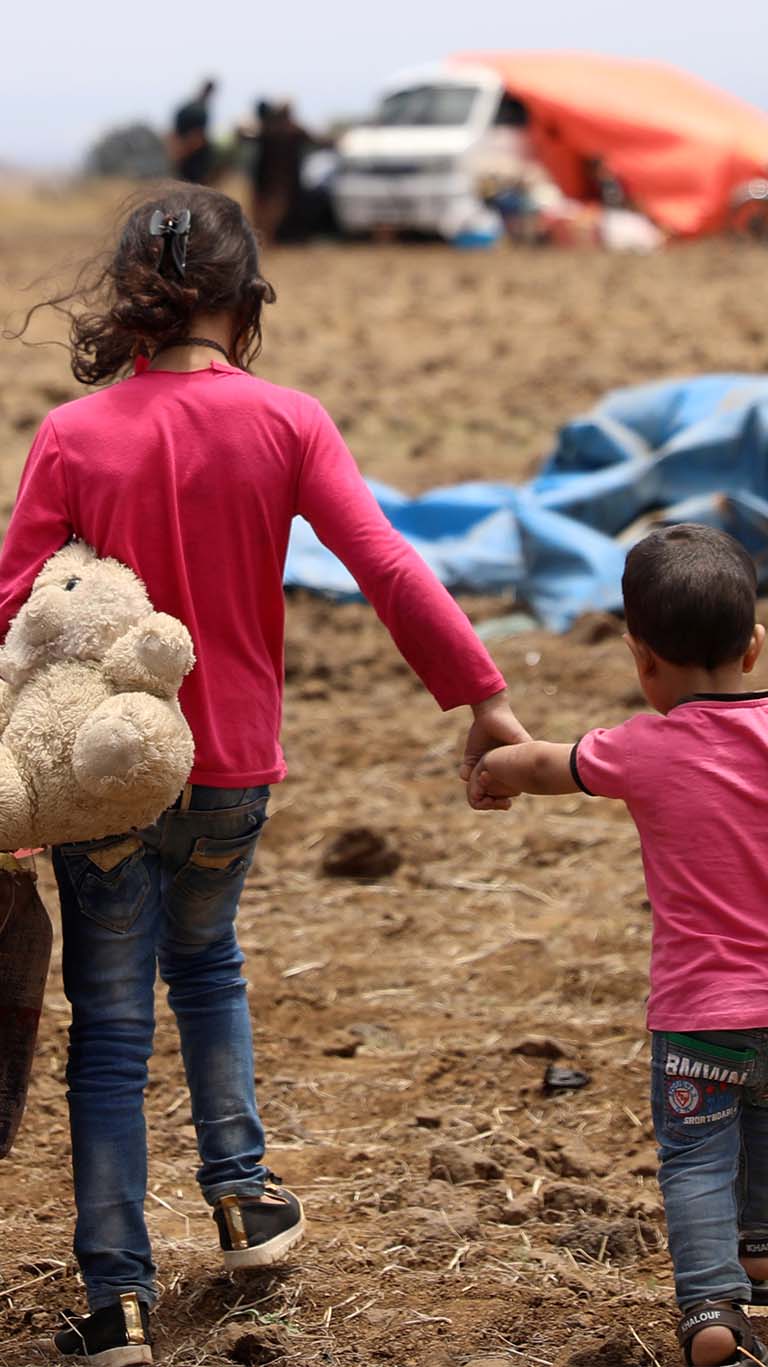
internally displaced people within the country
16.7 MILLION

Syrians in need of humanitarian assistance

Over 50%  

of health workers have fled the country

Following the recent change of government in Syria and in a rapidly evolving national and regional context, Médecins du Monde is adapting its activities to respond to the new needs of the 16.7 million Syrians who are dependent on humanitarian aid.

THE HUMANITARIAN SITUATION IN SYRIA

Since the beginning of the war in 2011, violence against the civilian population in Syria has only intensified over time. Many regions have suffered regular bombardment and civilian populations have been subjected to human rights violations and abuses, caught in the crossfire between government forces and armed opposition forces.

  • ACCESS TO HUMANITARIAN ASSISTANCE OBSTRUCTED BY WAR

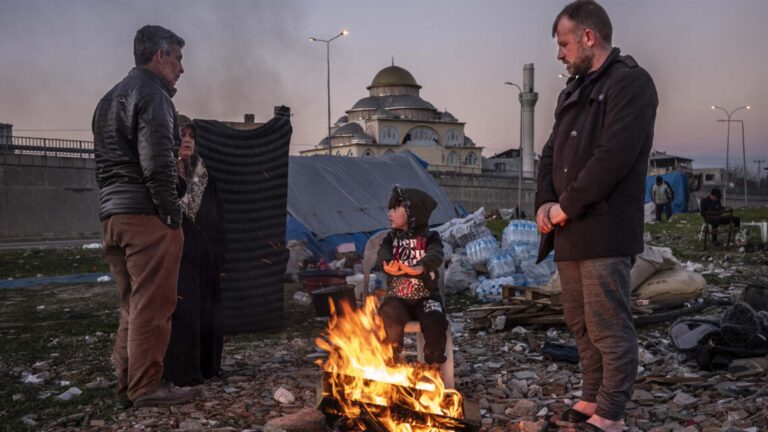
    In 2024, waves of conflict and contamination with explosive devices resulted in civilian casualties and further displacements towards the north-west, where over two million displaced people were already living in camps. Attacks on essential infrastructure, including water, electricity and healthcare, also disrupted basic services and made it increasingly difficult to meet fundamental needs.

    The influence of regional conflicts, particularly in Lebanon, has intensified pressure on already limited resources in Syria. Hit by inflation and currency devaluation, the Syrian economy has plunged a large section of the population into extreme poverty. Women, girls and people with disabilities are especially vulnerable and face gender-based violence and negative coping mechanisms, such as child labour and early marriage.

    More recently, the deteriorating economic situation in the country and the impacts of climate change (including earthquakes in 2023) have further exacerbated the vulnerability of the Syrian people.

OUR HUMANITARIAN WORK IN SYRIA

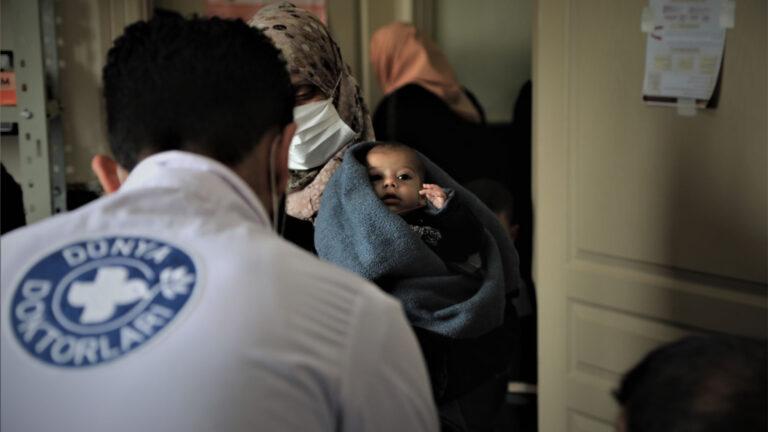
Médecins du Monde’s work is currently mainly focused on providing primary healthcare, maternal and infant health services, and sexual and reproductive healthcare, as well as mental health and psychosocial support. Work includes capacity-building for partners and supplying medicines and equipment.

  • RESPONDING TO THE HEALTH NEEDS OF THE SYRIAN POPULATION

    Since October 2012, Médecins du Monde has been providing Syrian nurses, midwives, pharmacists and doctors with training and support. This helps with maintaining service continuity, despite the lack of public financing for health infrastructure at the national level. In 2024, two health centres and two mobile clinics were supported through a local partner.

    Many civilians who have been displaced have been able to access care and treatment through health centres in urban areas and through mobile clinics. Health services including antenatal and postnatal care have been provided to 753,162 people in the north-west and north-east of Syria. 

  • TRAINING AND EQUIPPING LOCAL MEDICAL STAFF

    In 2024, the main objectives of our activities continued to be to protect civilians in the face of violence and abuses, as well as to provide unconditional medical assistance for vulnerable communities in non-government and besieged areas and, from December 2024, across Syria as a whole following the fall of Bashar al-Assad.

    Essential medicines and equipment are extremely scarce throughout Syria. Costs continue to increase owing to the high and rising rate of inflation. Supplies are ensured through local partners. Local health workers are supported and trained to help keep services going, despite the absence of public funding for health infrastructure at the national level.

  • 36,193

    beneficiaries in 2024

36,193

beneficiaries in 2024

Timeline
  • 2008
    Programme on access to healthcare initiated in the Aleppo region.
  • 2011
    Start of the war.
  • 2012
    Support at the Reyhanli post-operative care centre which looks after refugees on the Turkish border.
  • 2012
    Establishment of static and mobile clinics in the north west of the country.
  • 2013
    Support for healthcare facilities inside Syria and opening of a mother and child healthcare centre.
  • 2014
    Support at the post-operative care centre in Sarmada, in the Idlib region.